NOAA's Blocking of Spectrum Sales Rains on Taxpayers' Parade

This piece originally appeared in The Hill on September 16, 2016 Nobody likes dropped cell phone calls or slow wireless internet service. And, very few people think that the government shouldn’t take advantage of revenue opportunities that don’t involve tax collection. Well, the perfect solution is for the government to sell more wireless spectrum. Currently, the federal government is sitting on a lot of wireless spectrum that could potentially be worth billions of dollars if sold to the private sector. According to U.S. News and World Report, “The government itself currently owns 60 percent of all wireless spectrum. Much of this spectrum is of prime value, but there is little evidence that the government is using it effectively. As industry leaders describe it, it's like the government owns miles of prime beachfront property but isn't really trying to develop it.” It’s time to sell that beachfront property and let it be developed to help consumers and taxpayers.

Continue ReadingNOAA's Blocking of Spectrum Sales Rains on Taxpayers' Parade

New Report from Taxpayer-Funded UN Misses the Mark on Medicinal Advances and IP

Intellectual Property (IP) continues to come under fire from bad actors all over the world. Unfortunately, sometimes those attacking IP rights are governments and institutional bodies that should be promoting innovation and creation. Now, the taxpayer-funded United Nations (UN) has started an assault on IP. A new UN report titled, The United Nations Secretary-general's High-level Panel on Access to Medicines Report, shows the lack of understanding of the importance of IP in providing for greater innovation and creativity in the marketplace. The report comes from the UN High Level Panel on Access to Medicines (UNHLP), which was created in November of 2015 and is made up of 16 members plus an expert advisory group of individuals and UN institutions. The panel was formed in order to “review and assess proposals and recommend the solutions for remedying the policy incoherence between the justifiable rights of inventors, international human rights law, trade rules, and public health in the context of health technologies.”

Continue ReadingNew Report from Taxpayer-Funded UN Misses the Mark on Medicinal Advances and IP

No Matter How House Chooses to Proceed, IRS is in Need of Leadership, Accountability

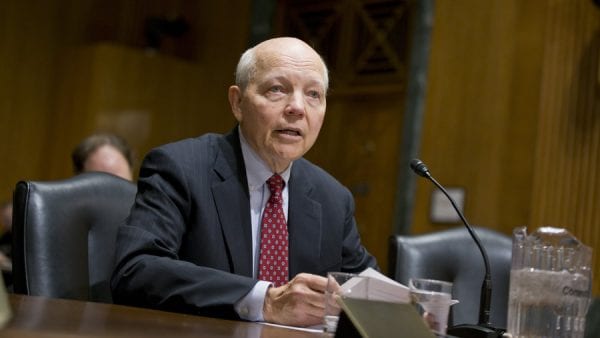
Congress has little time left in the September work period, and they have much to do. Even with all of the unfinished business Congress has yet to address, the Taxpayers Protection Alliance continues to urge House Leadership to at least hold a vote on repealing the USDA Catfish Inspection program and pass a continuing resolution to keep the government funded until a new Congress is sworn in to avoid a lame duck session. One issue that Congress is currently looking at in September is the possible impeachment of Internal Revenue Service (IRS) Commissioner John Koskinen. If this were to eventually happen, Koskinen would be the first ever IRS chief impeached.

Continue ReadingNo Matter How House Chooses to Proceed, IRS is in Need of Leadership, Accountability
Read more about the article TPA Joins Coalition Urging Senate to Reject Ex-Im Provision in Continuing Resolution
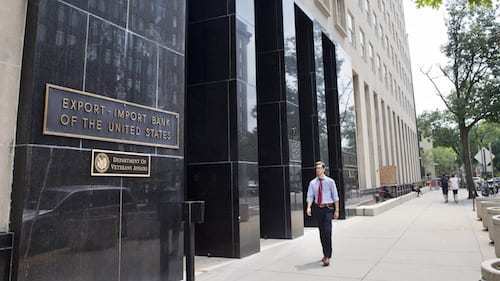
Outside the Export-Import Bank in July, after its charter was allowed to expire.

TPA Joins Coalition Urging Senate to Reject Ex-Im Provision in Continuing Resolution

This week the Senate will be moving forward on action to pass a short term continuing resolution that will fund the government until early December. Their goal is to pass this legislation so they can adjourn for the duration of the election campaign and return for a lame duck session after Thanksgiving. Taxpayers Protection Alliance (TPA) has already come out against a lame duck, knowing that taxpayers will be the ones at risk for a short-term session of Congress with many members who will have zero accountability for their actions due to either retiring or being replaced by the voters in the upcoming election. Unfortunately, these stopgap-spending bills always manage to include things other than just essential funding to keep the government open. One provision that Senators are looking to add on will make giving loans to the crony Export-Import Bank easier by subverting the current approval process for Ex-Im board members. TPA joined a coalition effort last week led by Americans for Prosperity and signed this letter, with over 30 other groups, urging the Senate to reject this provision. Ex-Im doesn’t need more loans with less oversight; they need fewer loans and more oversight. Click 'read more' below to see the full letter

Continue ReadingTPA Joins Coalition Urging Senate to Reject Ex-Im Provision in Continuing Resolution

The Cost of Trump's Defense Plan

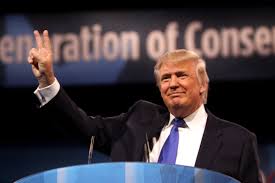
Demian Brady is the Director of Research for the National Taxpayers Union Foundation. This article originally appeared on the National Taxpayers Union Foundation website on September 9, 2016. This week Donald Trump released his defense policy plan that includes proposals to increase the size of the active-duty force of the Armed Services and to expand the naval fleet and size of the Air Force. His proposals would increase spending by at least $16 billion per year. However there is uncertainty regarding elements of his plan that could drive up the ultimate price tag. For example, Trump called for a total of 36 Marine Corps infantry battalions, currently the Corps has 24 active and eight reserve battalions. Adding four active battalions could cost up to $10 billion over the next five years. The total cost would be significantly higher if Trump intends to establish 36 active Battalions. In additional, there insufficient information to determine the cost of his plan to “build a state of the art missile defense system.” In a related speech, Trump said he will “ask Congress to fully offset the costs of increased military spending.” He outlined six proposals to offset the cost of the defense build-up, but the savings that could be quantified would only cover a portion of the increases. On an annual basis, reducing the size of the federal workforce through attrition would cut spending by $3.7 billion and opening additional public lands to energy leasing would boost offsetting receipts by $170 million. Trump’s proposals to reduce improper payments and recover unpaid taxes could generate additional savings and tax receipts over the long-term, but would require additional spending in the short-term. Click 'read more' below to see the full analysis

Continue ReadingThe Cost of Trump's Defense Plan

Coalition Supports Recorded Votes in Committees for Spending Authorization

As Congress continues to move toward the possibility of a lame duck session, there is still time left for important work to get done in the coming weeks. Catfish repeal, National Defense Authorization Act, funding the government, and appropriations bills are all still left to be completed. The need for greater accountability is also something that is necessary and doable in the current Congress. One way lawmakers can achieve that aim is by moving forward with a rule change that would require committees to have recorded votes on legislation that would authorize or appropriate $100 million or more. This would be similar to H.R. 427, the Regulations from the Executive in Need of Scrutiny Act (REINS Act), which Taxpayers Protection Alliance has supported, and has passed the House already. This week, affirming our support for greater transparency and accountability on spending, TPA signed a coalition letter sent to Congress by FreedomWorks calling for this very change in House rules. Taxpayers are tired of seeing their money so carelessly wasted by their elected officials, and the more they know about who is supporting these massive spending measures, the better prepared they can be to hold those members accountable. Click 'read more' below to see the full letter

Continue ReadingCoalition Supports Recorded Votes in Committees for Spending Authorization

Taxi Drivers Getting A Free Ride With New Massachusetts Law

The drive for competition is one of the greatest motivators in the marketplace. In many cases, innovative ideas, spurned by competition, can change an industry and the way people think about a product or service. This has never been more evident than with ridesharing companies like Uber and Lyft. While the companies continue to thrive, and the industry sees growth with new players in new markets all across the country, the threat of big government and cronyism still pose a very real problem. Recently, ridesharing has come under attack in cities across the country with growing calls for more taxes and regulations on the industry. The leading opponent of these innovative services has been the antiquated taxicab industry, which simply cannot and will not update their services or business model to adapt to the changing needs of consumers.

Continue ReadingTaxi Drivers Getting A Free Ride With New Massachusetts Law

New Treasury Rules Could Mean Windfall for Big Banks

With only a few weeks left until Congress once again goes on hiatus, there is quite a laundry list of items members must tackle before September 30th. However, there is one item in the pipeline that may seem like “inside baseball” to the average taxpayer but should become a top priority for lawmakers this month, as it could have serious consequences for the U.S. economy and taxpayers Late last week, InsideSources highlighted the unintended consequences of the Treasury Department’s new proposed rules aimed at industrial corporations as part of an aggressive effort by the Obama Administration to fight international tax avoidance. While the new rules have been a point of contention for quite some time, the article published by the investigative news source actually introduces the argument that this rule could not only hurt American business, but “end up benefiting large banks on Wall Street and elsewhere in the world.”

Continue ReadingNew Treasury Rules Could Mean Windfall for Big Banks

TPA Opposes FCC Chairman Wheeler's 'Revised' Set-Top Box Proposal

WASHINGTON, D.C. – Today, the Taxpayers Protection Alliance (TPA) slammed Federal Communications Commission (FCC) Chairman Tom Wheeler’s latest iteration of his “set-top box” proposal, which continues to rely on misguided policy and questionable authority. On Thursday, Chairman Wheeler laid out a new approach to phase out traditional set-top boxes after his original attempt to mandate the unbundling of content failed to garner support due to the threat it posed to content creators and other stakeholders in the video marketplace. The new plan the Chairman is hoping to implement would use “compulsory licensing” as a way to phase out the set-top box. This new approach presents all sorts of problems, as the compulsory licensing that Chairman Wheeler appears to have planned for would put the FCC in charge of licensing and distributing creative works, a power they have never had nor were ever intended to have. This new plan from the FCC once again threatens creators and puts copyright at great risk and threatens consumers and taxpayers.

Continue ReadingTPA Opposes FCC Chairman Wheeler's 'Revised' Set-Top Box Proposal

Calling for Real Postal Reform, Coalition Delivers Letter to Congress Opposing H.R. 5714

Congress has returned from their seven-week vacation and with Zika funding, defense authorization, and government funding on the agenda, there is clearly much work to be done. Postal reform is a real priority for many Americans, and the Taxpayers Protection Alliance (TPA) continues to call on Congress to get serious about fixing the beleaguered agency. Recent quarterly reports show the United States Postal Service (USPS) is keeping with the trend of billion dollar losses, and the end seems nowhere in sight. This week over 20 organizations, led by Americans for Tax Reform, had a special delivery for Congress: a coalition letter urging opposition to the recently introduced H.R. 5714, the Postal Service Reform Act of 2016. The letter calls attention to the fact that the “reforms” in the bill are nothing more than window dressing and will add to the financial problems that are keeping the agency in a mountain of debt. Postal reform is critical if the agency is going to survive, but is not the best route to take as Congress looks to tackle the issue. Click 'read more' below to see the full letter

Continue ReadingCalling for Real Postal Reform, Coalition Delivers Letter to Congress Opposing H.R. 5714