Testimony before the Rhode Island House of Representatives Municipal Government and Housing Committee Regarding Regulating Electronic Cigarettes and Vapor Products

Tobacco taxes and tobacco settlement payments are justified to help offset the costs of smoking, as well as prevent youth initiation. Like most states, Rhode Island spends very little of existing tobacco moneys on tobacco control programs – including education and prevention. Between 2000 and 2019, Rhode Island allocated only $25.9 million in state funds towards tobacco control programs.[xiii] This is 1.1 percent of what Rhode Island collected in cigarette taxes in the same 19-year time span and only 2.7 percent of MSA payments. In total, in 19 years, Rhode Island allocated approximately 0.08 percent of what the state received in tobacco taxes and settlement payments towards tobacco education and prevention efforts.

Continue ReadingTestimony before the Rhode Island House of Representatives Municipal Government and Housing Committee Regarding Regulating Electronic Cigarettes and Vapor Products
Read more about the article USPS [Finally] Delivers on 10-Year Plan
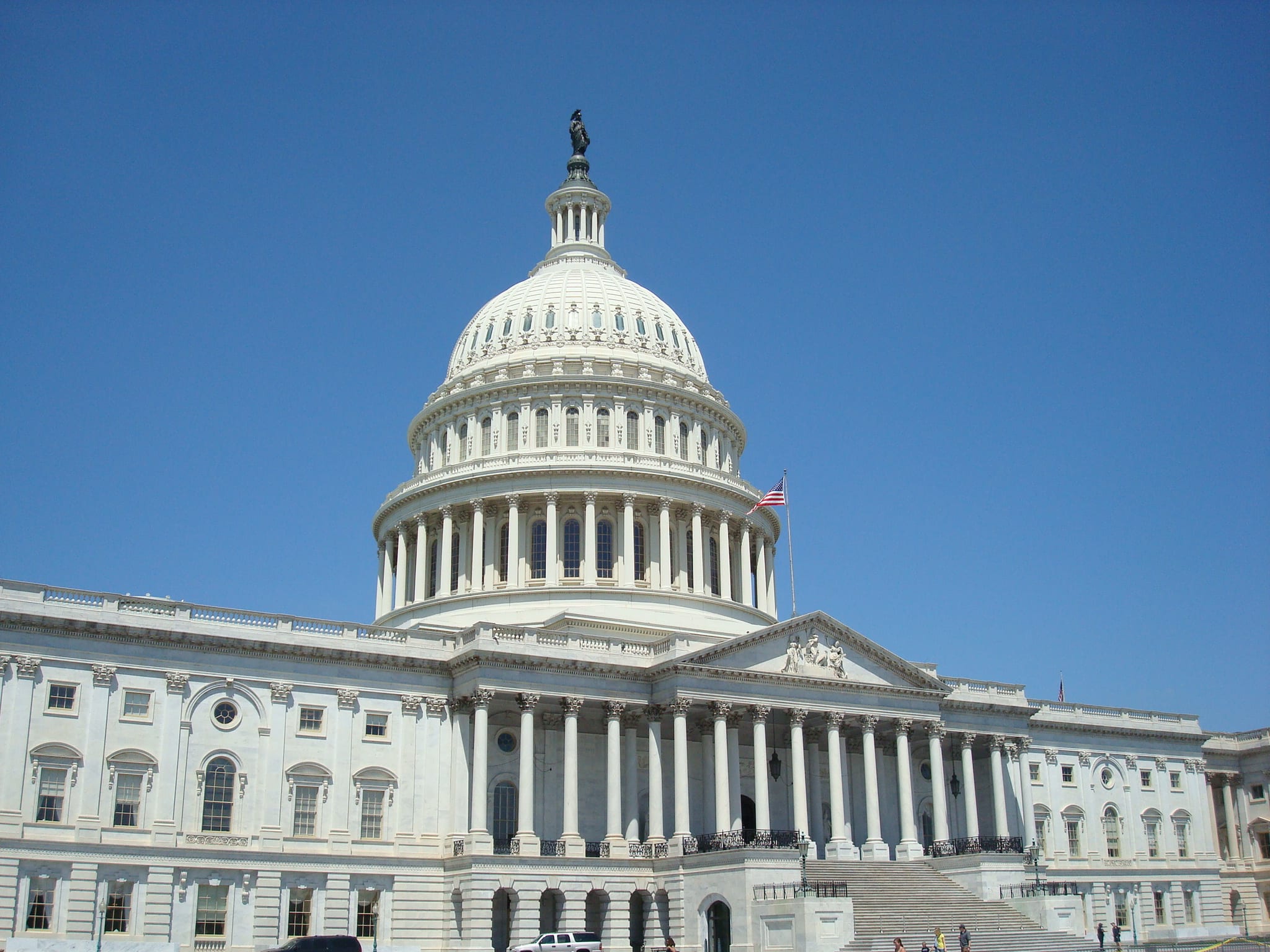
SONY DSC

USPS [Finally] Delivers on 10-Year Plan

On April 30, 2019, former Postmaster General (PMG) Megan Brennan promised Congress that the struggling United States Postal Service (USPS) would release a 10-year business plan in two months. Now, almost two years and tens of billions of dollars in net losses later, America’s mail carrier finally released their comprehensive business plan.

Continue ReadingUSPS [Finally] Delivers on 10-Year Plan

Testimony before the Washington House Finance Committee Regarding Regulating Tobacco and Vapor Products

Excise taxes on tobacco and vapor products are regressive an unfairly burden low-income persons. In 2019, 57.6 percent of adult smokers in Washington reported earning incomes of $24,999 or less. Indeed, over one-third (34.2 percent) of adult smokers in Washington earned less than $15,000 a year in 2019.

Continue ReadingTestimony before the Washington House Finance Committee Regarding Regulating Tobacco and Vapor Products

Now is No Time to Raise Taxes

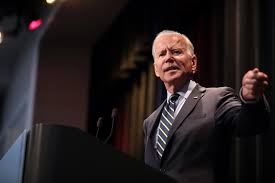
Just as America recovers from the worst pandemic in 100 years, President Joe Biden is itching to raise taxes. Biden is reportedly pushing for the largest tax hikes in 30 years in an attempt to pay for an infrastructure bill, prolonged trillion-dollar deficits, and a $28 trillion debt. Tax increases would likely be passed this year and take effect next year, regardless of the state of the economy in 2022. But tax hikes are an ineffective solution to “pay for” higher spending. And, tax increases have the unsurprising effect of encouraging even more spending from the drunken sailors in Washington, D.C. Onerous new rates would only succeed in tanking the economy and destroying opportunities for millions of Americans. President Biden should ditch his tax-and-spend agenda and commit to lower taxes and comprehensive fiscal reform.

Continue ReadingNow is No Time to Raise Taxes

California Net Neutrality Law Says If You Like Your Plan, You Can’t Keep It

Washington, D.C. – The Taxpayers Protection Alliance (TPA) opposes the effort of California to impose its own self-styled “net neutrality” law. Instead of providing solutions, this law will create problems for California businesses and consumers, as well as those beyond its borders. Today, AT&T announced it will suspend certain free data programs for customers because of California’s restrictive internet regulations.

Continue ReadingCalifornia Net Neutrality Law Says If You Like Your Plan, You Can’t Keep It

Taxpayer Watchdog Slams GOP for Bringing Back Earmarks

Washington, D.C. – The Taxpayers Protection Alliance (TPA) strongly opposed the House Republican Conference’s decision to reverse their internal ban on earmarks. This decision will inevitably lead to wasteful, crony spending on a much larger scale that will plunge the country deeper in debt.

Continue ReadingTaxpayer Watchdog Slams GOP for Bringing Back Earmarks

Utility Company Trying to Suck Energy Out of Florida Economic Boom

While the COVID-19 pandemic has been the greatest tragedy of most of our lifetimes, the recovery from this crisis is presenting and accelerating some fascinating economic changes. It’s no secret that the heart of the American economy has been slowly progressing south, driven by more favorable political climates to entrepreneurs and more enjoyable actual climates. The pandemic has kicked these factors into overdrive. Florida, in particular, given its already robust and sizable economy, stands to reap the benefits more than any other state. It makes sense that entrepreneurs and remote workers are fleeing high tax states looking for fiscal refuge in Florida. As a native Floridian from the Tampa Bay area, I’ve watched this economic transformation with great interest and excitement. However, a new bill moving through the Florida State Legislature presents an outsized risk to Florida’s post-pandemic boom. Senate Bill 1944 (SB 1944) will hinder the deployment of broadband and could have long lasting effects on Florida’s economic development and competitive advantage.

Continue ReadingUtility Company Trying to Suck Energy Out of Florida Economic Boom

Lessons Learned: Vaccine Development and Distribution

As the country marks the one-year anniversary of COVID-19 lockdowns, the Taxpayers Protection Alliance is looking back on what lessons were learned by government officials to better prepare for another pandemic or just to have a plan to make government more efficient. One of the most important items on the government’s “to do” list this past year was to make sure that the Food and Drug Administration (FDA) was able to allow the quick and safe development of a vaccine. With multiple vaccines now available, the private sector (along with regulatory easing at the FDA) has led the way in healing and vaccinating the country. The flip side of the good news of the creation of the vaccine is that distribution has fluctuated greatly from week to week, often without any real guidance. Despite all this, however, roughly one million people are being vaccinated every day. On top of that, a third vaccine by Johnson & Johnson has just received emergency use authorization from the FDA.

Continue ReadingLessons Learned: Vaccine Development and Distribution

Commentary to the New Zealand Ministry of Health Regarding the Regulation of Electronic Cigarettes and Vapor Products

Electronic cigarettes and vapor products have the potential to reduce smoking rates in New Zealand and should be embraced as tobacco harm reduction tool. Policymakers should avoid putting forth policies that limit nicotine and/or flavors, as such bans have the potential to contribute to an illicit market. Further, regulations should be respective towards the vastly different players in the e-cigarette space. Many small firms cannot afford costly regulations and governmental policies should not pick winners and losers. New Zealand must promote the use of e-cigarettes in the populations that will benefit the most – specifically the Māori that smoke at higher rates and have also used e-cigarettes at higher rates.

Continue ReadingCommentary to the New Zealand Ministry of Health Regarding the Regulation of Electronic Cigarettes and Vapor Products