
The Cost of Reviving Section 338
Paige Fredenburgh
August 6, 2026
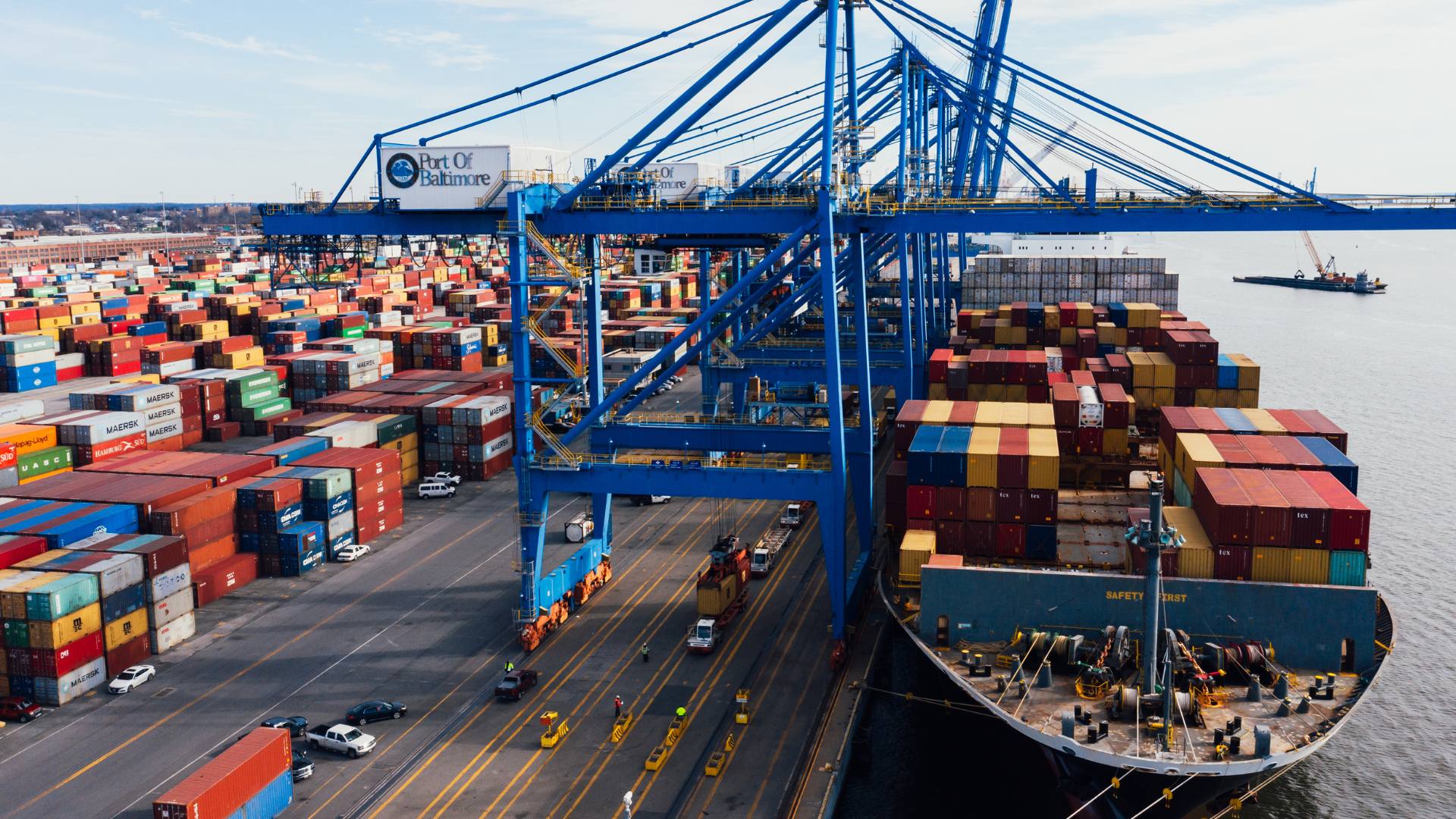
The Trump administration announced additional 50 percent tariffs on approximately $20 billion in Canadian goods, including wine, dairy, and cars. The duties even apply to goods that qualify for preferential treatment under the United States-Mexico-Canada Agreement (USMCA). Exempted are energy, potash, fish, critical minerals, and goods already covered by Section 232 tariffs. The White House invoked Section 338 of the Tariff Act of 1930, an obscure provision never before directly used to impose penalty tariffs. Using a dormant Depression-era law to impose statutory maximum tariffs risks violating existing trade commitments while passing the cost of retaliation to American businesses and consumers.
Section 338 was created to allow the president to act when another country treats American commerce less favorably than commerce from other countries. The president must find that the discrimination burdens or disadvantages American commerce and that the tariffs serve the public interest and will “offset” the identified burden. The statute permits duties on “any products” from the country, and rates must not exceed 50 percent, meaning that the targeted goods do not necessarily have to be involved in the original discrimination.
Section 338 grew out of Section 317 of the Tariff Act of 1922. Both provisions were intended to encourage equal treatment of American commerce and advance most-favored-nation (MFN) trade. Earlier administrations investigated possible discrimination and either threatened tariffs or withheld trade concessions. For example, in the 1930s, it was found that Germany and Australia had discriminated against American commerce. The president did not impose penalty duties but withheld concessions granted to other countries. Officials also threatened to invoke Section 338 against France in 1932 over French quotas on American goods and preferential tax treatment for Belgian imports.
It is doubtful that Canada’s conduct justifies the imposition of new tariffs or resembles historical uses of Section 338. The White House did find some evidence of discrimination. Canadian provinces restricted American alcohol without imposing comparable restrictions on other countries, and there were instances of differential treatment involving automobiles and cheese. However, many of these restrictions were retaliations against earlier American tariffs. Differential treatment may help establish Section 338’s threshold, but the Trump administration has not adequately explained how tariffs on products ranging from furniture to fishing rods “offset” that discrimination, or why the maximum possible rate is necessary.
Section 338 expressly authorizes the imposition of duties, and the Supreme Court in Learning Resources, Inc. v Trump identified Section 338 as an example of express, limited tariff authority. However, it remains unclear whether these White House proclamations satisfy the law. The 50 percent figure is a ceiling, not a default. Although the proclamations document declines in American alcohol and automobile exports, they do not explain why maximum-rate duties on some unrelated products would address these trends. Nor do they explain how making cement, furniture, or machinery more expensive serves the public interest. An International Trade Commission recommendation may not be a prerequisite, but the lack of independent public fact-finding departs from earlier, more measured uses. Applying the duties to USMCA-originating goods also appears to conflict with Article 2.4 of the USMCA, which generally prohibits new tariffs on originating goods. This result is especially striking because Section 338 was intended to advance MFN treatment, yet duties that single out Canadian goods likely violate the United States’ World Trade Organization (WTO) commitments on tariff levels and nondiscrimination.
Even if the proclamations survive legal challenge, Americans will bear their cost. A twelve-person wine and spirits importer, Heavenly Spirits, paid approximately $120,000 under earlier tariffs, developed cash-flow problems, and fell behind on supplier payments. Although Heavenly Spirits primarily imports French products, its experience illustrates the choices facing importers of Canadian alcohol. When importers cannot find substitutes, they must absorb the tax or pass it to customers. Federal Reserve research estimated that earlier tariffs raised core-good prices by 3.1 percent, demonstrating how quickly border taxes affect businesses and consumers. Canada’s restrictions should be challenged through USMCA negotiations and dispute settlement, not answered with another round of protectionism.
Countering Canadian trade barriers with American ones will not restore free trade. It will leave American businesses paying for the dispute.