
Robotaxis Should Be Judged by Evidence, Not Fears
Angela Luna
October 27, 2026
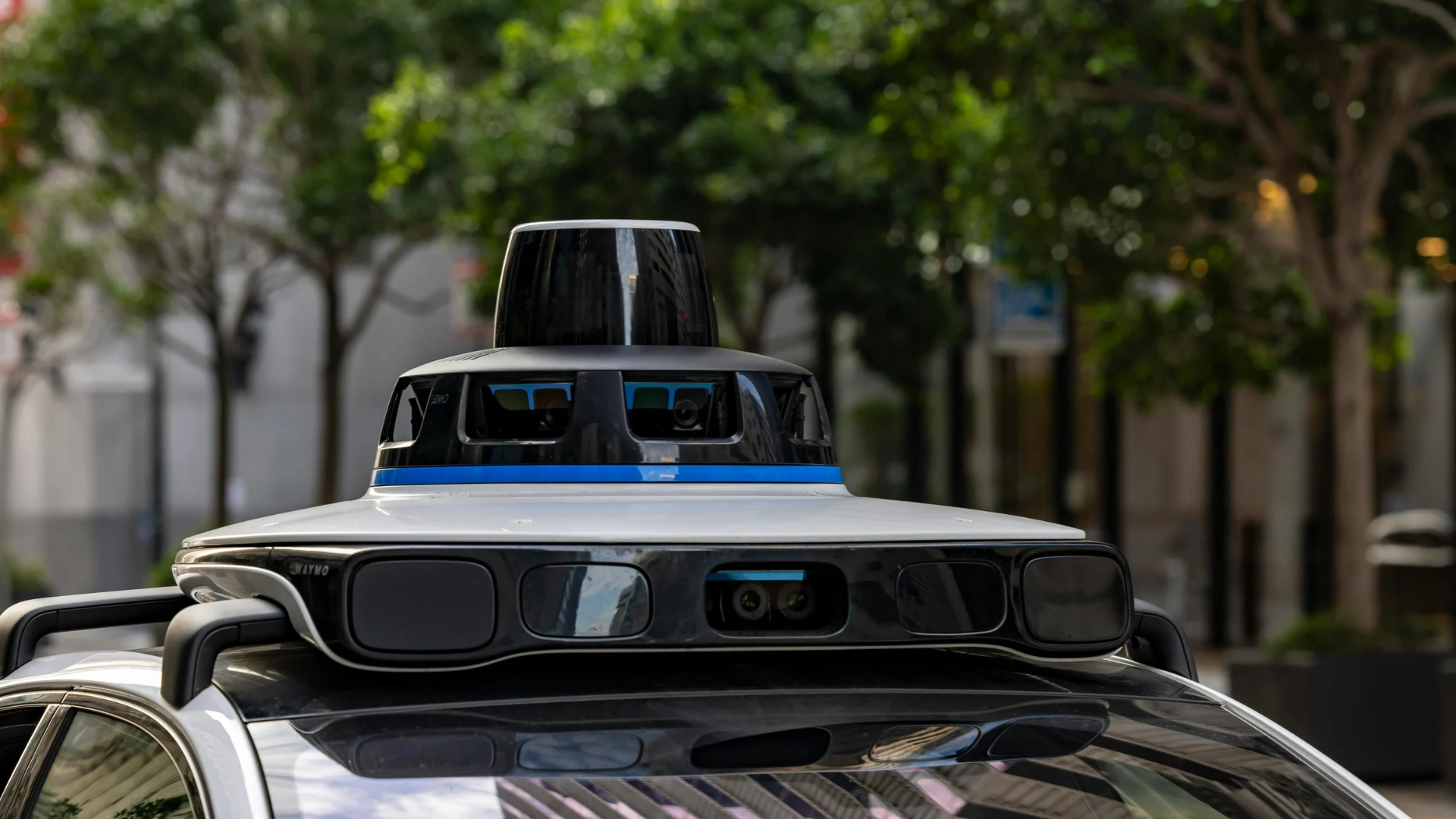
Earlier this month, union leaders, rideshare drivers, and others gathered outside the D.C. City Hall to oppose a bill that would allow driverless cars on the District’s streets. Much recent press coverage has questioned the integrity and legitimacy of this coalition. The real question should be if Washington, D.C. is ready for robotaxis. The Autonomous Vehicle Deployment Authorization Amendment Act of 2026 was introduced by D.C. Councilmember Charles Allen, chairperson of Committee on Transportation and the Environment, who has said commercial deployment of driverless cars could begin in the District in 2028. D.C. would be the next city to join the robotaxi market, years after cities such as San Francisco, Phoenix, and Los Angeles. Companies such as Waymo and Zoox have moved beyond testing and started to offer driverless rides to the public in major metropolitan areas, making robotaxis an increasingly important part of urban transportation.
The conversation over robotaxis includes three main tensions. The first is safety. On one side, while human drivers can cause crashes due to distraction, fatigue, or impaired driving, autonomous vehicles can struggle to respond to unexpected situations or experience algorithmic errors on the road. The second is employment. While automation could displace ride-hailing and other professional drivers, it could also generate economic gains over the longer term. The third is traffic. While robotaxis could make transportation more convenient, they can also affect traffic if they spend too much time driving around without passengers. Due to these concerns, labor groups and public safety officials in several cities have opposed the introduction of robotaxis, even as companies and policymakers explore the potential benefits of autonomous transportation.
Cities should not block autonomous vehicles simply because the technology is disruptive, but they should not assume that an autonomous vehicle automatically produces a better transportation system either. A better approach is to follow the evidence, and where it remains incomplete, create standards to guide deployment.
There is some encouraging evidence that autonomous vehicles could make roads safer. A study by the Insurance Institute for Highway Safety found that Waymo’s driverless vehicles had 68 percent fewer police-reportable crashes per mile than human drivers in the cities studied. Another study in Nature Communications found that vehicles equipped with autonomous driving systems were generally less likely to crash in comparable situations. Meanwhile, a Johns Hopkins Bloomberg School of Public Health study noted that driverless vehicles reduce fatal crashes and increase access to transportation. But the evidence is still developing. Safety results vary by location, and researchers say that more consistent data and standards are needed to determine how these vehicles perform across different conditions.
The employment effects of robotaxis present a similar tension. Robotaxis are already threatening the ride-hailing market. For example, a report from Bond, an investment research and venture capital firm, showed that Waymo captured 27 percent of San Francisco’s ride-hailing market in 20 months. While this shift could also create jobs in areas such as fleet maintenance, vehicle operations, manufacturing, and other supporting services, it may also mean fewer opportunities for taxi and rideshare drivers. Similar changes have been made before. Machines changed the way people worked in agriculture and manufacturing, making production more efficient but also changing the kinds of jobs available. The arrival of ridesharing platforms, such as Uber and Lyft, also expanded transportation options while putting pressure on traditional taxi drivers. Robotaxis could follow a similar pattern, but that disruption is no more reason to oppose driverless cars than it was to oppose the transformative technologies of the Industrial Revolution.
An additional issue is whether robotaxis will improve mobility or add to congestion. Robotaxis could make transportation more accessible, including for people with disabilities, who face barriers to driving or using existing services. Shared rides and connections to public transit could also make urban transportation more efficient. But those benefits are not automatic. A July 2026 Hunter College study found that Waymo’s vehicles traveled approximately 14.8 percent more miles per passenger-mile than New York City’s for-hire vehicles in the study’s comparison. If autonomous cars spend more time traveling without passengers, they could add traffic rather than reducing it.
The challenge is finding a way to let new technologies grow without ignoring potential problems they can create. Robotaxis should not be held back simply because they are disruptive, but companies should be expected to address real concerns. Policymakers should give the technology room to develop while paying attention to how it performs in practice and addressing specific problems, such as emergency response and traffic. With the right policies in place, robotaxis could make transportation safer and more efficient.