
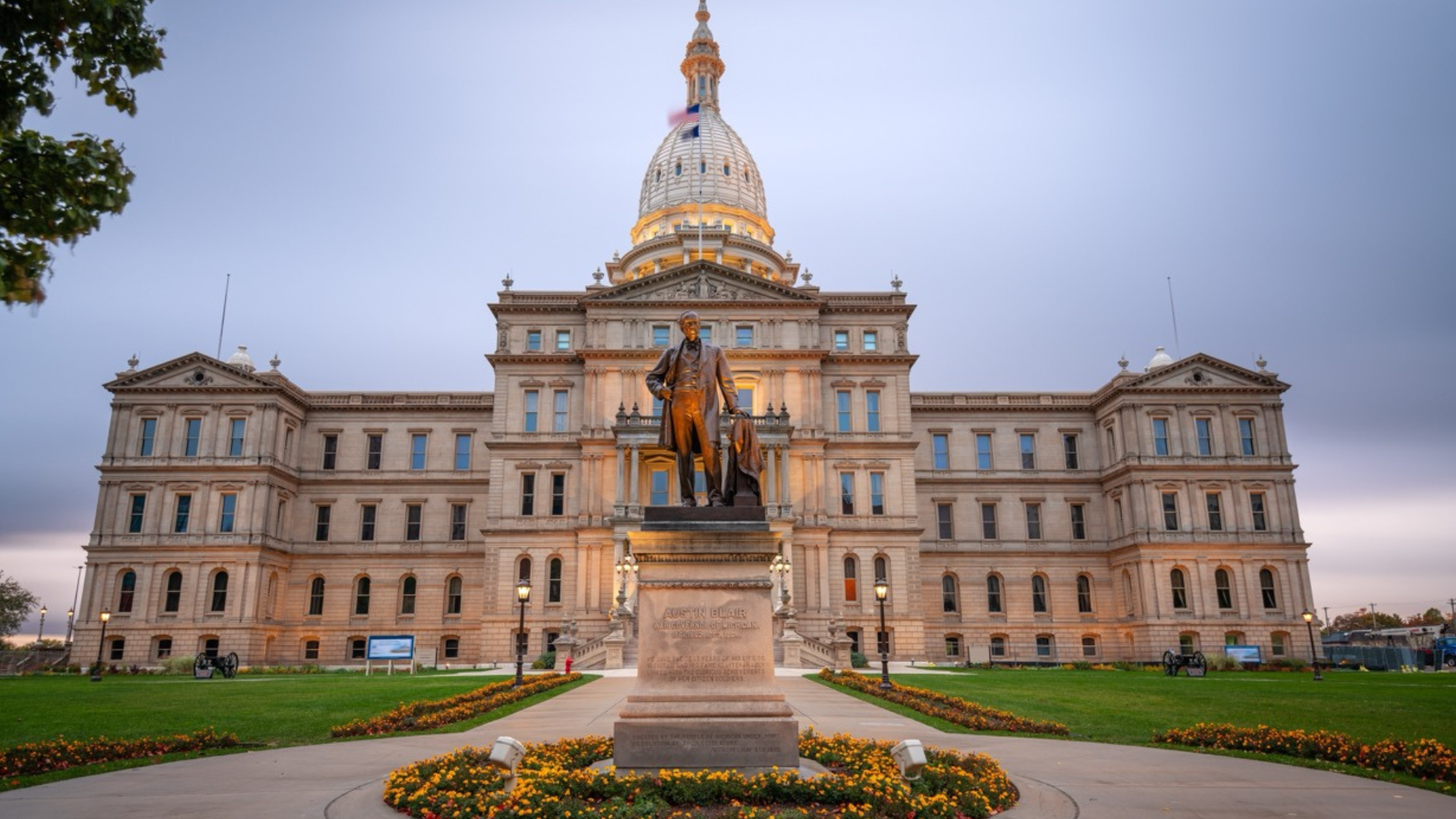
State Bill of Shame – September 2026: Michigan SB 1181
Taxpayers Protection Alliance
October 1, 2026
Introduced by Michigan State Senator John Cherry (D-Mich.), Michigan State Senate Bill SB 1181, the “Kratom Consumer Protection Act,” seeks to regulate the manufacture, distribution, and sale of kratom products, including products containing 7-hydroxymitragynine (7-OH). The legislation would significantly restrict 7-OH products by prohibiting kratom products in which 7-hydroxymitragynine exceeds 2 percent of the product’s total alkaloid composition. It would also prohibit synthetic 7-OH and require manufacturers to disclose the amount of 7-OH and mitragynine on product labels, limiting the sale of concentrated or synthetically enhanced 7-OH products. As a result, SB 1181’s onerous regulatory requirements would restrict consumers from accessing life-saving harm reduction products and open the floodgates to dangerous black markets.
Restricting access to products containing 7-OH, an alkaloid that occurs naturally in the Southeast Asian kratom plant, makes it more difficult for individuals struggling with opioid addiction to get the help they need and kick their deadly habit. 7-OH products are not simply recreational substances—they provide critical harm reduction benefits to a state where 2 to 2.5 percent of residents battle opioid addiction. These substance abuse issues cost Michigan’s economy $20 billion annually, and in tragic cases, contribute to the state’s more than 1,100 overdose deaths per year. A 2018 analysis in the journal Drug and Alcohol Dependence asserts that kratom’s mood-enhancing and anxiety-reducing characteristics are evidence of “kratom’s potential as a harm reduction tool, most notably as a substitute for opioids among people who are addicted.” State officials should preserve these life-saving harm reduction tools for Michigan residents, not restrict them.
Additionally, banning 7-OH products will almost certainly lead to unregulated and dangerous black markets. Regulators should recall that past substance bans have led to underground markets, Prohibition being the most famous example. More recently, this pattern is evidenced in the growth of black markets in marijuana because of decades of heavy-handed restrictions against manufacturers that ruined lives, wasted billions of taxpayer dollars, and reduced options for consumers.
Even absent outright bans, onerous regulations will increase compliance costs, which will ultimately be passed down to consumers in the form of price increases. This will not make 7-OH consumption safer, but will incentivize consumers to access more dangerous illegal markets. Cannabis users, for example, report that higher prices regularly drive them toward less expensive (albeit riskier) underground markets even in states where the substance is legal. This ultimately exposes consumers—often those attempting to treat addiction—to an array of dangerous synthetic substances like fentanyl and heroin, often found in seemingly harmless products.
It is for these reasons that Michigan’s SB 1181 is TPA’s State Bill of Shame for September 2026.