
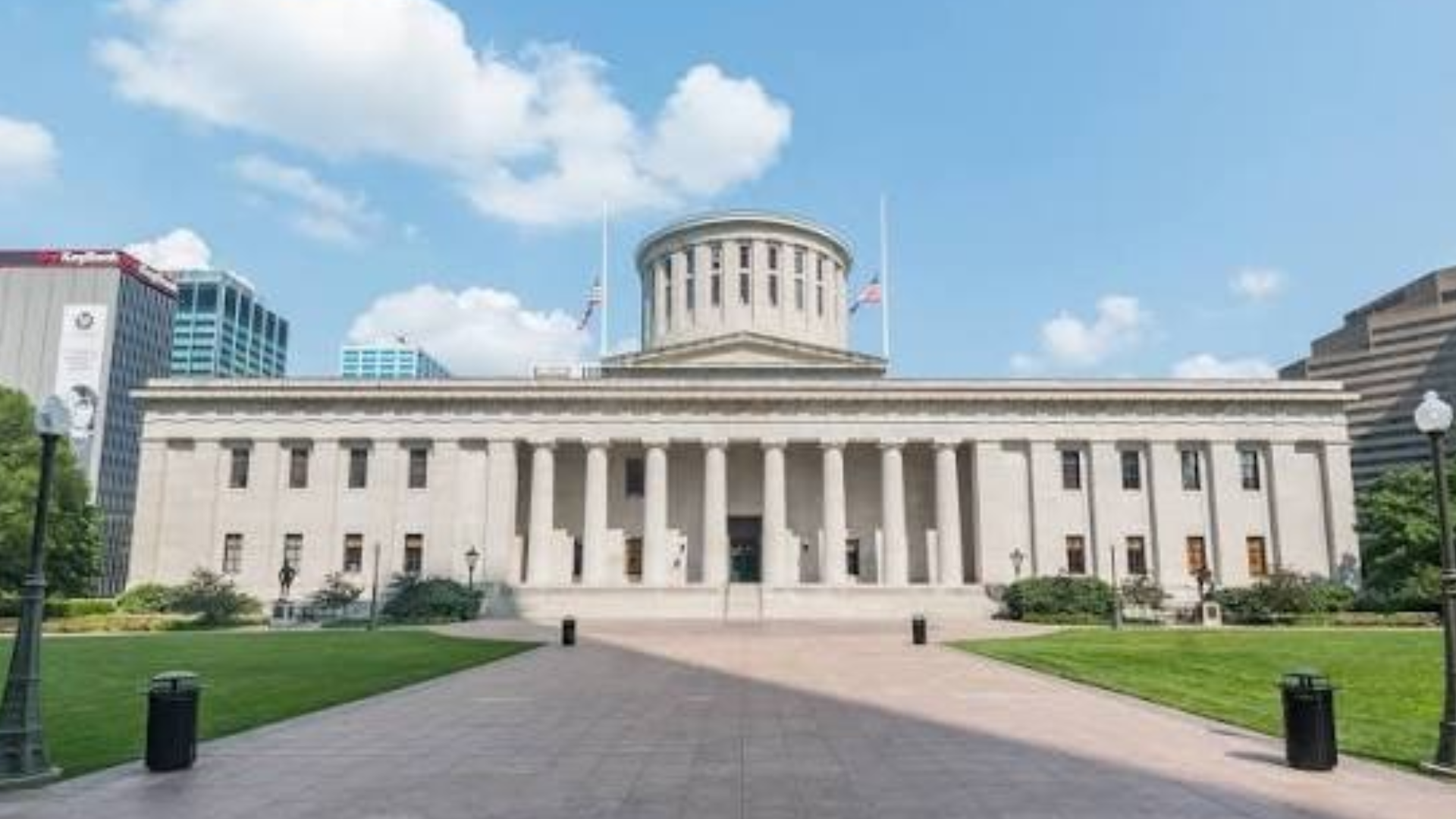
State Bill of Shame – October 2026: Ohio HB 563
Taxpayers Protection Alliance
October 28, 2026
Sponsored by State Representative Mark Hiner (R), Ohio House Bill 563 would impose new regulations on ticket sellers, resellers, and online ticket marketplaces. H.B. 563 passed the Ohio House on June 9, 2026, and was referred to the Senate Financial Institutions, Insurance and Technology Committee on September 30, 2026. While the legislation is presented as a consumer protection measure, its broad restrictions risk limiting competition and increasing compliance costs.
H.B. 563 establishes requirements for ticket pricing, fee disclosures, refund policies, and proof of purchase. It also restricts certain resale practices, including selling tickets without possession or a contractual right to obtain them. Additionally, the bill limits the use of venue-associated names, trademarks, website designs, and internet domain names without written permission.
Consumers deserve transparent pricing and protection from fraudulent ticket sellers. However, these goals do not justify imposing unnecessary restrictions on legitimate businesses. Ohio lawmakers should distinguish deceptive practices from lawful resale activity rather than adopt a one-size-fits-all regulatory regime.
One concern with H.B. 563 is its potential impact on competition. Restrictions on ticket resale and online branding could make it more difficult for independent marketplaces and smaller businesses to operate. These businesses often provide consumers with additional options for purchasing tickets. Increasing their regulatory burden could squeeze them out of the market, leading to fewer options for consumers and higher prices.
H.B. 563 also contains enforcement provisions subject to Ohio’s Consumer Sales Practices Act. While enforcement against fraud is appropriate, imposing additional statutory obligations on ticket sellers creates new compliance burdens and potential legal liability, even for conduct that may not otherwise constitute deception. Rather than expanding the regulatory framework governing ticket sales, lawmakers should prioritize enforcing existing consumer protection laws, which protect against demonstrably fraudulent or misleading conduct.
Additionally, under Section 1345.53(C)(3) of the House-passed bill, ticket sellers generally cannot increase a ticket’s price for a particular customer after initially displaying it. The provision includes exceptions for taxes, optional purchases, and certain delivery fees. This would likely interfere with legitimate market-based pricing, rather than simply preventing deception. For example, a scenario could plausibly arise in which a ticket seller displays a concert ticket for $100. Demand subsequently increases, and the market price rises to $125. The provision could constrain the seller’s ability to reflect that increase for a customer who previously saw the lower price, compromising pricing flexibility and hampering markets.
Ohio can hold fraudulent sellers accountable without imposing sweeping rules on legitimate ticket resale and restricting legitimate pricing.
It is for these reasons that Ohio HB 563 is TPA’s State Bill of Shame for October 2026.