
Lane County’s CleanLane Debacle Is a Warning to Cash-Strapped Counties
Ross Marchand
October 28, 2026
County governments across the country are struggling mightily to keep their finances afloat.
According to the National Association of Counties, inflation-adjusted county revenues have been falling, to the tune of $18 billion between 2017 and 2022, even as funds spent on public services continued to grow. At the municipal level, only 45 percent of local finance officers feel optimistic about meeting their budget needs, down from 64 percent two years earlier.
With little room for error, localities must carefully weigh each new spending commitment coming down the pike.
Unfortunately, Lane County, Oregon, has missed the memo, and it could mean hundreds of millions of dollars in liability for its taxpayers.
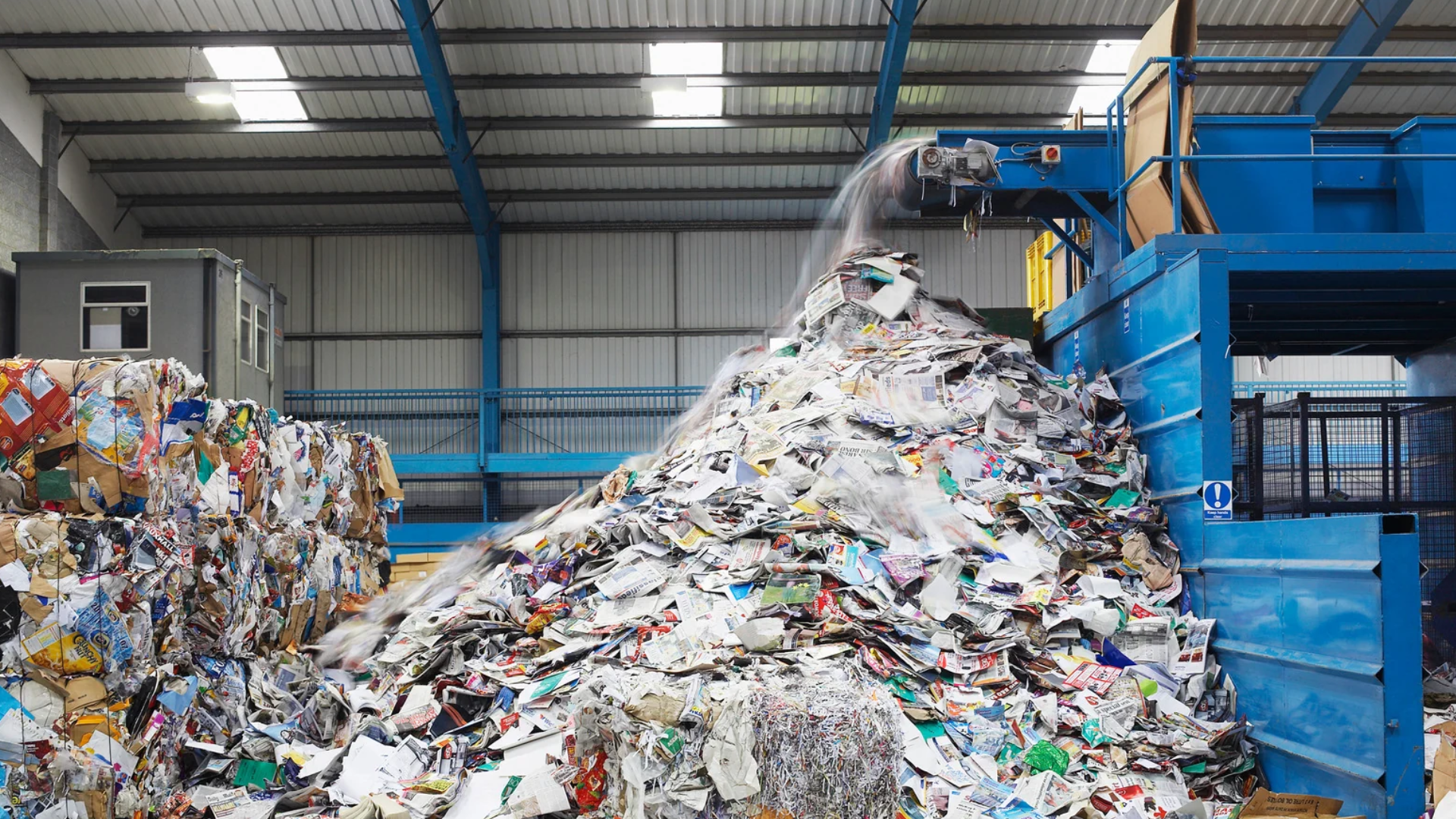
County officials have spent years pursuing CleanLane, a proposed $150 million mixed-waste processing facility that would use sorting technology to recover recyclable materials from garbage. The project is supposed to extend the life of the county’s landfill and reduce methane emissions. But the county’s agreement with Eugene-based Bulk Handling Systems (BHS) has raised serious questions about how much financial risk local taxpayers and ratepayers are being asked to shoulder.
The problems begin with the project’s financing. Under the arrangement, Lane County is responsible for approximately $35 million in building and site-development costs, while BHS is expected to invest another $115 million in the facility. County commissioners approved $35.35 million in bond financing in 2024, with preliminary estimates showing another $23.67 million in interest payments over the life of the debt. That would bring the county’s total repayment obligation to approximately $59 million if the bonds were issued on those terms.
To help finance CleanLane, the county approved additional landfill disposal fee increases of 8 percent in 2024 and 2025, followed by 6 percent increases scheduled for 2026 and 2027. These charges are ultimately borne by the businesses and households that depend on the county’s waste-management system. Residents are being asked to pay more for a facility that has yet to break ground.
And the county’s original plan for where to build it has already fallen apart.
In December 2023, Lane County commissioners approved purchasing a $1.5 million property in Goshen (a small Lane County town) for the facility, but the county had not secured the land-use approval needed to operate the project there. In April 2025, a county hearings officer rejected the proposed use because it was incompatible with the property’s zoning. The county challenged that decision and lost. By April 2026, the Oregon Court of Appeals had upheld the denial, and the Oregon Supreme Court subsequently declined to review the case.
Rather than abandon the project, county commissioners doubled down, opting to explore a new location for CleanLane at Short Mountain Landfill, committing another $1.3 million for preliminary engineering work. The change has brought additional land-use objections and uncertainty about when construction can begin.
All the while, the county remains bound by a contract with BHS that contains exceptionally costly provisions.
The agreement calls for at least 120,000 tons of eligible waste annually. If the county falls short, it can be required to compensate BHS at a rate of $78.69 for each missing ton. That arrangement leaves the public exposed if waste volumes fail to meet expectations.
There is ample reason for concern. According to local reporting, Lane County’s solid waste division lost approximately $5.2 million in fee revenue during the previous fiscal year, much of it because waste haulers began sending garbage to landfills outside the county. The financial consequences of the contract going awry fall squarely on the county and its taxpayers.
Even more troubling are revelations about what county officials knew before approving the agreement.
In October 2026, Lookout Eugene-Springfield reported that former County Counsel Rob Bovett had warned of potentially catastrophic financial consequences if CleanLane failed. According to internal documents obtained by the publication, Bovett questioned whether the county’s contract adequately limited its liability for BHS’s anticipated lost profits.
The concern is hardly trivial. BHS had projected approximately $20 million in annual net profits from the arrangement. Bovett warned that, under a worst-case interpretation of the contract, the county could face more than $300 million in potential liability if the project collapsed.
Bovett also alleged that senior county administrators withheld information about BHS’s projected profits from elected commissioners before the contract was signed. County Administrator Steve Mokrohisky disputed Bovett’s account, calling it inaccurate and unverified. Regardless of how that dispute is ultimately resolved, the fact that the county’s former top attorney raised such serious concerns should be enough to warrant a thorough independent review.
Lane County should fully disclose the project’s expected long-term costs and obtain a comprehensive audit of its contractual liabilities before committing additional taxpayer resources. Commissioners should also explain how they intend to protect ratepayers if waste volumes fall short or the facility never opens.
Across the country, county governments are being forced to make difficult budget decisions. Lane County’s experience shows why those decisions must begin with a basic principle: Public officials should understand the financial risks of this deal—and any deal—before “asking” taxpayers to bear them.