
Acquisition of Instacart by DoorDash Would be a Big Win for Consumers, Workers, and Taxpayers
Ross Marchand
November 9, 2026
Antitrust bureaucrats have never met a merger or acquisition they liked. Yet, overzealous enforcement through the broken lenses of neo-Brandeisian theory has repeatedly made consumers worse off. As seen with the Spirit-JetBlue debacle, blocking mergers can have disastrous effects.
Hopefully, the proposed $17 billion acquisition of Instacart by DoorDash avoids a similar fate. Rather than opting for exceptionally restrictive definitions of relevant markets and adopting a kneejerk “big is bad” mentality, policymakers should consider the significant benefits that would arise from this deal.
One significant upside of the deal is reduced reliance on costly subscriptions for millions of shoppers. A household that uses DashPass for takeout and Instacart+ for groceries may be paying for two memberships to get food and other essentials delivered. DoorDash says it intends to offer both memberships for the price of one, estimating that members could save $100 million a year in fees. While that figure is the company’s projection—and not a guaranteed result—eliminating a duplicate charge would be a straightforward benefit for families watching their budgets and struggling with stubbornly-persistent inflation.
Choice matters just as much as cost. Instacart already connects customers with nearly 100,000 stores. DoorDash states the combination could open up access to more than 50,000 additional locations for Instacart customers. That would make it significantly easier to order from a neighborhood market, a pharmacy, or a larger grocery chain without juggling different services. More storefronts within reach also give shoppers another reason to compare prices and find the option that works best for them.
The deal could be particularly useful for independent grocers. Small businesses rarely have the resources to build the delivery networks, ordering systems, and digital advertising tools available to national retailers. Pairing Instacart’s grocery technology with DoorDash’s delivery reach could help close that gap. Importantly, DoorDash has pledged no grocery exclusivity: local stores would remain free to work with competing platforms. That commitment matters because merchants should not have to give up one sales channel to gain access to another.
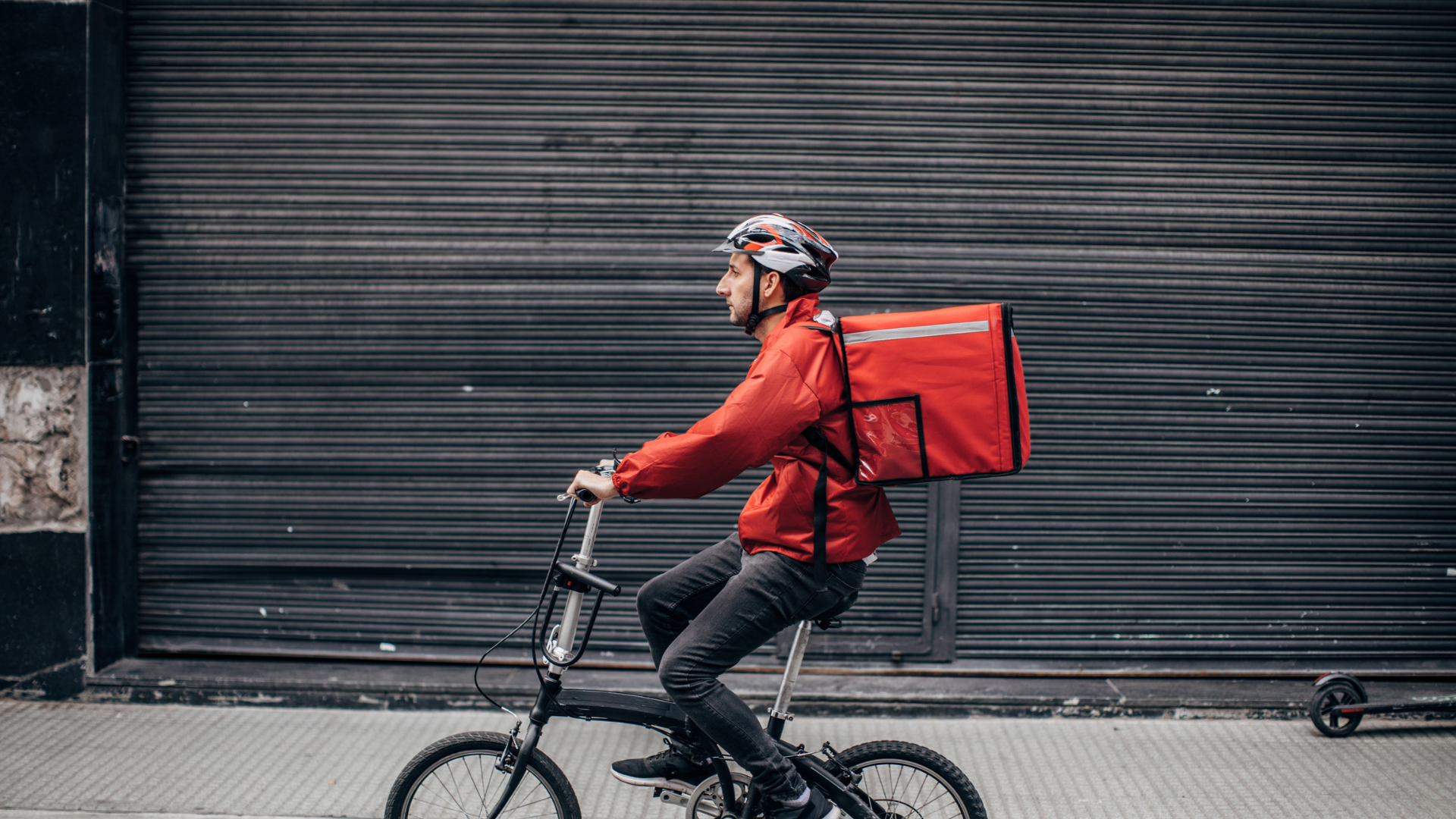
Delivery workers would undoubtedly see benefits too. Restaurant orders tend to cluster around mealtimes, while grocery shopping orders “start coming in as soon as stores open in the morning. They tend to peak around lunchtime and taper off around 7 p.m.” DoorDash points out that combining the two businesses could create more earning opportunities for Dashers and Instacart Shoppers, including the ability to choose between different types of orders.
The DoorDash-Instacart deal also comes amid intensifying competition in the delivery market, as major players scramble to attract customers and expand their offerings. Just days after DoorDash announced its acquisition plans, Amazon and Uber announced a new partnership allowing Prime members to order from Uber Eats directly through Amazon, with no delivery fees on restaurant orders of $25 or more. The arrangement gives Uber Eats access to Amazon’s enormous customer base while offering Prime members additional savings and convenience. Amazon estimates that participating customers could save more than $175 annually, depending on their ordering habits. Far from being a concentrated market, food and grocery delivery is becoming an increasingly competitive battleground.
The DoorDash-Instacart combination should be viewed in this broader context: companies are expanding their networks and offering new perks to win over consumers who have more ways than ever to get meals and groceries delivered. This reality simply doesn’t jive with an increasingly outdated neo-Brandeisian framework that greets virtually any merger or acquisition with suspicion. Regulators should allow DoorDash’s acquisition of Instacart to benefit millions of consumers, workers, and taxpayers.