
Profile in Courage: Adults Quitting Smoking
Taxpayers Protection Alliance
February 2, 2024
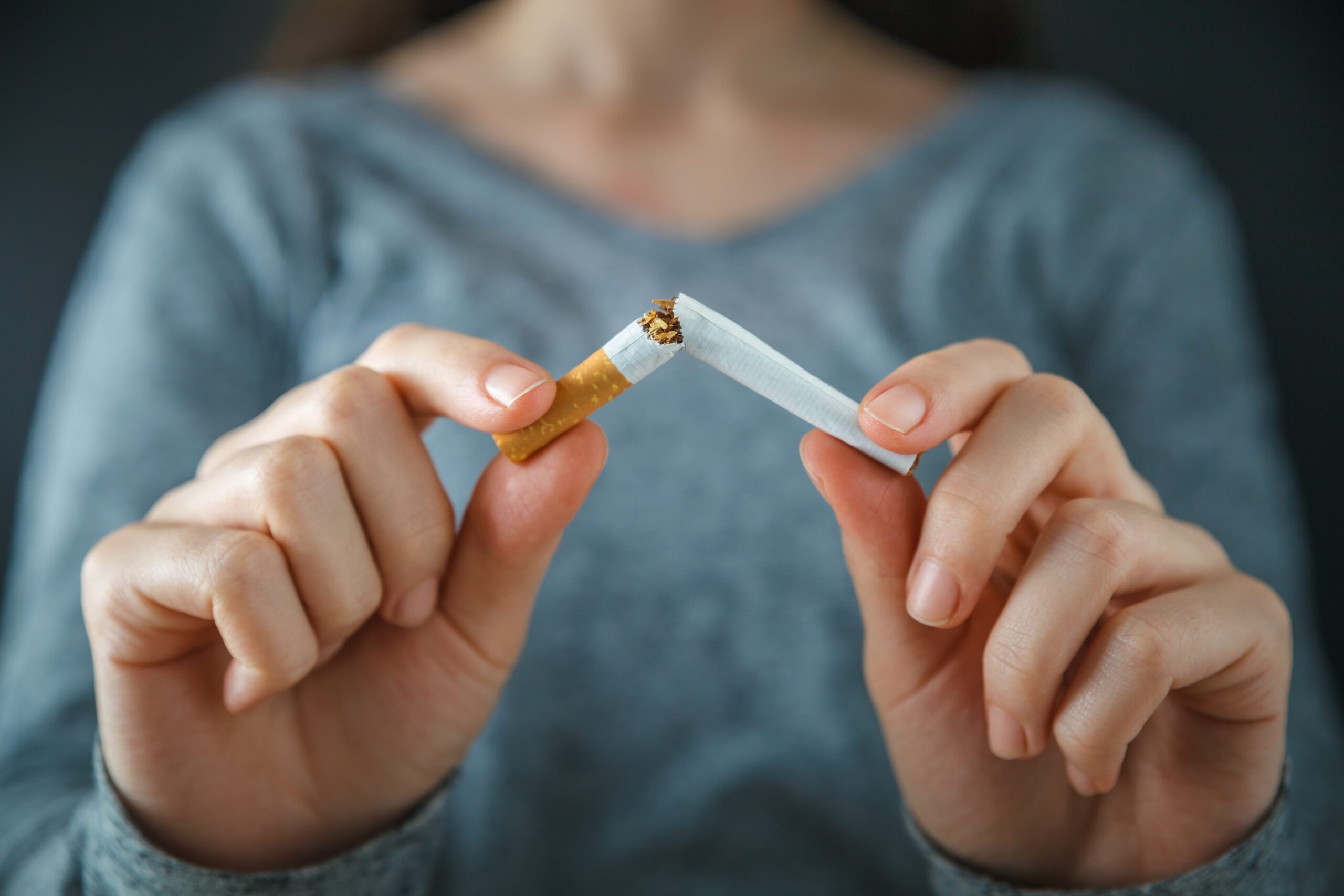
Normally, the Taxpayers Protection Alliance (TPA) dedicates its monthly Profiles in Courage (PIC) blog to individuals who persevere despite all odds and opposition. This month, we’ve decided that an unsung group of heroes deserve recognition. The National Cancer Institute estimates that about 20 million Americans try to quit smoking each year. They’ve decided that enough is enough, and their deadly habit will rob them of precious time with their family and friends. Unfortunately, less than 3 million are successful and an even smaller number will quit smoking for good.
Tobacco harm reduction products such as e-cigarettes, heat-not-burn, and oral nicotine products make quitting easier by offering adults who smoke a similar sensation to smoking with far fewer health risks. But, regulations from the Food and Drug Administration (FDA) and irresponsible health advice from the World Health Organization (WHO) have hampered availability of these life-saving products. Yet, combustible tobacco products are widely available for commercial retail sale. Bureaucrats are doing a profound disservice to the millions of courageous Americans trying to save their own lives.
Kicking the deadly habit of smoking cigarettes is not easy or fun. Author Earl Chinnici struggled mightily to end his 28-year addiction, lamenting, “I had not been at all fair to myself, or to anyone or anything near me, by keeping my cigarettes right there next to me or in my shirt pocket throughout the years.” In his book Maybe You Should Move Those Away From You, he offers an important insight into ending addiction: “it can help significantly to have some powerful weapons in your arsenal. Knowledge is a remarkably powerful weapon against cigarette addiction.”
One critical piece of knowledge is the safety and effectiveness of reduced-risk products for weaning adults who smoke off cigarettes. According to a 2018 National Academies of Sciences report, “There is conclusive evidence that completely substituting e-cigarettes for combustible cigarettes reduces users’ exposure to numerous toxicants and carcinogens present in combustible tobacco cigarettes.” These products are better for these adults who smoke families too because there is “evidence that second‐hand exposure to nicotine and particulates is lower from e-cigarettes compared with combustible tobacco cigarettes.” Some regulatory agencies have opted to acknowledge the evidence. Public Health England famously found in 2015 (and reaffirmed in 2018) that vaping is 95 percent safer than smoking. Unfortunately, this groundbreaking finding has not resulted in easier access to these life-saving products.
The FDA has received tobacco product applications for more than 26 million deemed tobacco products, largely e-cigarette and vapor devices. The agency has claimed to have made determinations on more than 99 percent of those 26 million applications. These have mainly been denials as the agency has only authorized the sale of 23 e-cigarette products – all of which are only available in tobacco flavor. The FDA thinks that it can constrain a market it deeply dislikes by denying adults harmed by cigarettes all but a few reduced-risk options. But, the agency’s prohibition crusade hasn’t stopped thousands of unathorized products from flooding the U.S. marketplace. The FDA’s regulatory process has only succeeded in making tobacco harm reduction products less regulated and convincing the adults who still smoke to think twice before switching to vaping. Meanwhile, internationally, the WHO has repeatedly claimed without evidence that vaping products are “harmful to health” and uses large events such as Conference of the Parties (COP) meetings to bully countries into restricting vaping.
The (postponed) 10th COP of the Framework Convention on Tobacco Control is happening in early February, and TPA plans on fighting back. The watchdog group will host a Good (Conference of the People) COP conference war room featuring nearly two dozen tobacco harm reduction experts, representing 14 different countries and highlighting some of the leading experts on consumer issues, national and global policies, and the science surrounding harm reduction. Good COP will be taking place from Monday, February 5 to Friday, February 9 in Panama City, Panama – several kilometers away from where global delegates will be meeting at COP10. TPA and the Good COP participants will be monitoring the WHO’s meeting and providing running commentary via livestreams, media interviews, blogs, and social media.
TPA is committed to pushing back against bureaucrats’ deadly and misguided policies against harm reduction products. Adults who smoke and are trying to kick their deadly habit are absolutely Profiles in Courage, and they deserve all the help they can get.