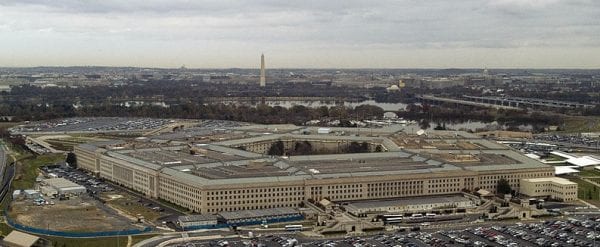
National Defense Authorization Act: Bad Process Yields Bad Legislation

Late on Thursday December 19, 2013 the 2014 National Defense Authorization Act (NDAA) passed the Senate and was sent to President Obama for his signature just moments before he left for Hawaii on his annual Christmas vacation. The bill made its way through the House of Representatives twice, once last summer and another time a few weeks ago, before getting stalled in the Senate due to the question of how exactly the Senate would go about moving the massive defense spending legislation through the chamber. The process was rushed and limited; and in turn produced a massive ill that left much to be desired in the way of meaningful reforms to some of our most costly defense programs. Passing a Defense authorization bill is critical to defending the nation but also defending tax dollars. As the Taxpayers Protection Alliance (TPA) pointed out in December of 2011, once appropriators get a hold of the bill there is no telling what will happen (read previous blog posting here). In December 2012 Senator Tom Coburn (R-Okla.) revealed just how much our defense department is doing that has absolutely nothing to do with protecting our country in his report titled, “Department of Everything.” Oh by the way, the total that Sen. Coburn tallied was $68 billion. During last summer, the National Defense Authorization Act moved through the House of Representatives, and TPA was quick to analyze every one of the amendments that was up for consideration to be added to the bill. Even though TPA preferred many more amendments, the fact that the House of Representatives was able to allow a process that put 100 amendments on the table was reason to applaud and be optimistic of real reform at the Department of Defense. The amendment process is one of the few ways that real and meaningful reform can be achieved and when dealing with legislation the size and scale of the National Defense Authorization Act, it is extremely important that every opportunity be given to make improvements to the bill and allow for a process that gives lawmakers a full and free range of input on exactly what will (and will not) be a part of final language. There were many amendments that TPA had expressed opposition to and many we urged members to support, including an amendment sponsored by Reps. Justin Amash (R-Mich.), John Conyers (D-Mich.), Mick Mulvaney (R-S.C.), Jared Polis (D-Col.), and Thomas Massie (R-Ky.) that “Ends authority for the blanket collection of records under the Patriot Act” which received the most attention of any amendment. TPA was proud to be a part of numerous bi-partisan coalitions commenting on both the process and the content of the bill.


Continue ReadingNational Defense Authorization Act: Bad Process Yields Bad Legislation

Senator Coburn’s ‘Wastebook 2013’ Reminder of DC’s Worst Spending Habits

NASA's "Little Green Man" (courtesy 'Wastebook 2013') There has been a long tradition of wasteful spending in the nation’s capital for decades and the problem has only gotten worse as each year passes. A recent tradition has done wonders to expose just exactly how bad the spending habits out of Washington have become and how much taxpayers are shelling out for things that they clearly shouldn’t be paying for. Sen. Tom Coburn (R-Okla.) left an early Christmas present for all the big spenders on Capitol Hill this week when he released his ‘Wastebook 2013’ report highlighting a plethora of examples of how taxpayer dollars have been wasted over the last year. The more than $30 billion dollars the report cites is just the first of many reasons taxpayers should be hoping that politicians get a handful of coal as they return home for the remainder of the year. This report is even more troublesome considering that agencies spent money on these projects despite the fact that agencies instituted furloughs because of sequestration. The rushed worked of Congress over the last few weeks has given way to a slew of less than desirable pieces of legislation. First, the Murray/Ryan Budget Deal altered the sequester caps and set a dangerous precedent for spending cuts moving forward. Next, the compromise National Defense Authorization Act that passed the Senate last night after passing the House last week. Finally, an agreement to push final Farm Bill passage to January 2014; with details scarce. There is very little hope that the Farm Bill will contain much real reform. The ‘Wastebook 2013,’ released by Sen. Coburn’s office this week, is nearly 200 pages of ridiculous and unnecessary spending that everyone should read.

Continue ReadingSenator Coburn’s ‘Wastebook 2013’ Reminder of DC’s Worst Spending Habits

TPA Joins Coalition Urging Elimination of the Corn Ethanol Mandate

Renewable energy fuel reform is a major issue regarding the health of the United States economy, as well as a concern of where taxpayer dollars are being used. The issue has become increasingly important the last several months with a movement in Congress to “reform” the Renewable Fuel Standard (RFS). The RFS is a “command and control mechanism” that requires a certain level of ethanol to be blended into the nation’s transportation fuel supply. The Environmental Protection Agency, which oversees the Renewable Fuel Standard, recently proposed for the first time to reduce the amount of ethanol it requires to be blended in gasoline. Even though the move was met with criticism by ethanol advocates, the reality is that the move is only a minor step that doesn’t solve the fundamental problems with the RFS policy as a whole. The move, while a small step in the right direction, would do little to reduce ethanol’s share of the annual corn crop and virtually nothing to alleviate the broad economic and environmental damage currently caused by using corn for fuel. Taxpayers are hit directly as the government's fleet of more than 600,000 owned or leased vehicles that guzzle more of the expensive fuel. With that in mind, this week TPA was part of a coalition effort led by the R Street Institute that included ActionAid USA, American Bakers Association, American Frozen Food Institute, American Meat Institute, Association of Kentucky Fried Chicken Franchisees, California Dairy Campaign, California League of Food Processors, Competitive Enterprise Institute, Council for Citizens Against Government Waste, Dairy Producers of New Mexico, Dairy Producers of Utah, Environmental Working Group, Freedom Action, Friends of the Earth, Idaho Dairymen’s Association, International Dairy Foods Association, International Foodservice Distributors Association, Marine Retailers Association of the Americas, Milk Producers Council, National Chicken Council, National Council of Chain Restaurants, National Frozen Pizza Institute, National Franchisee Association, National Grocers Association, National Marine Manufacturers Association, National Restaurant Association, National Taxpayers Union, National Turkey Federation, Nevada State Dairy Commission, North American Meat Association, Northwest Dairy Association/Darigold, Oregon Dairy Farmers Association, Oxfam America, R Street Institute, Southeast Milk, Inc., Snack Food Association, Taxpayers for Common Sense, Washington State Dairy Federation, and Western United Dairymen sending this letter to the House of Representatives and Senate to call for elimination of the Corn Ethanol Mandate in the Renewable Fuel Standard. Taxpayers deserve better energy policy from Washington and this action would constitute a very major step in that direction. To read the full letter, click 'read more' below

Continue ReadingTPA Joins Coalition Urging Elimination of the Corn Ethanol Mandate

TPA Applauds the Reintroduction of the Next Generation Television Marketplace Act

The Murray-Ryan Budget Deal, the National Defense Authorization Act (NDAA), and the Farm Bill have been dominating the conversations in Congress over the last week or so and it seems as if there is nothing else to talk about in Washington. Nothing could be further from the truth and the Taxpayers Protection Alliance (TPA) was pleased to see some movement on an issue that could benefit taxpayers and consumers. Retransmission consent and the Cable Act of 1992 may not sound like a very important issue, but in reality it is an issue that affects millions of individuals. The perfect example to illustrate this is when major sports events like professional football or professional baseball games are blacked out because of disputes between content providers (CBS, ABC, et.) and video distributors (cable systems, satellite providers). In fact, in 2012 the Federal Communications Commission’s (FCC) retransmission consent rules almost stopped some Bostonians from watching the Super Bowl.

Continue ReadingTPA Applauds the Reintroduction of the Next Generation Television Marketplace Act

TPA 2014 Wish List: Corporate Tax Reform

The end of year is getting closer and Congress is moving quickly to deal with any business they deem too important to let slip into 2014, include a budget deal where more than 300 House members bust the sequester caps for the next two years. The Senate will adjourn later this week and Congress won’t return until early January. There is a long list of to-do items that elected officials in DC will have to deal with when they come back. One item in particular that TPA has been focusing on and hoping that Congress will too is tax reform. Specifically, there is much that can be done to benefit taxpayers, consumers, and businesses by making a real move toward corporate tax reform. The corporate tax rate in the United States is effectively the largest in the world and it is a dubious distinction that we have held for more than a year. Lowering the corporate tax rate is an area where all sides recognize the benefits it would have to the economy and the chorus for action has been growing as more and more evidence is presented to show just how advantageous reforming the corporate tax structure could actually be if accomplished.

Continue ReadingTPA 2014 Wish List: Corporate Tax Reform

TPA Presents the Sequester Flip-Floppers of 2013

The Taxpayers Protection Alliance (TPA) announces the Sequester Flip Floppers of 2013. Below is a list of members of Congress who voted for the Budget Control Act of 2011, which contained the path to sequestration. Now, they have effectively voted to alter sequestration and break the spending caps by voting for the Murray/Ryan Budget. Sequestration wasn't the best or smartest way to cut spending but it had to be done. The dire warnings about furloughs and economic catastrophe never came true with the Department of Defense cutting furloughs back from 22 days to 6 days. The recent jobs number of 7 percent unemployment and revised GDP growth upwards in the third quarter shows that the economy was able to absorb the cuts. And, let's not forget, it was Congress’ vote on the BCA and their failure to pass specific budget cuts that led us to the sequester in the first place. Further continuation of the sequester is a small step toward fiscal responsibility and any move that alters or eliminates the caps is a precursor to a larger disappointment on spending cuts down the road. Making any changes to the sequester that break spending caps puts taxpayers at greater risk and those who voted for the sequester and are now voting to alter the sequester have made it into TPA's Flip Flopping Hall of Shame. It is important to note that both Democrats and Republicans Flip Flopped. To see the list click, 'read more' below

Continue ReadingTPA Presents the Sequester Flip-Floppers of 2013

Washington D.C. is Dysfunction Junction as Congress is Set to Play Grinch for Taxpayers

There seems to be a great deal of lack of leadership, confusion, mismanagement, and fingerprinting in the nation’s capitol when it comes to strategy for the future… and we’re not talking about the Washington Redskins; it’s Congress. Both chambers of Congress were back in session this week, but for only a limited time and from all indicators it seems that they are ready to make your holidays more expensive than you expected. The House of Representatives is expected to finish their legislative business for the year on Friday and the Senate is expected to adjourn for the year sometime next week, which gives the two chambers only a short time period to conclude any work they want to accomplish for the 2013 calendar year. Details have been emerging over the past several days about what exactly the House and Senate are expected to push through before their respective holiday recesses and from all that has been revealed so far, it doesn’t look good for the taxpayers. Here’s a breakdown of the business at hand. First, a budget agreement was announced late on December 10 that may be voted on in the House late this week and the Senate early next week. Negotiations between Senate Budget Committee Chairwoman Patty Murray (D-Wash.) and House Budget Committee Chairman Paul Ryan (R-Wisc.) produced a final deal based on a framework that, from what has been made public so far, is a step in the wrong direction and a early lump of coal for taxpayers. There are no meaningful reforms on entitlements or the tax structure (individual or corporate), and there may very well be increases on taxes/fees, but what the biggest problem is with this deal is that it could very well be the first step in undoing the sequester. Regardless of the menial reforms that budget conferees are seeking in the short terms to levy the coming 2014 sequestration cuts, altering the spending caps should be a non-starter for any agreement that comes to the table. When elected officials are ready to tackle the real problem of long-term spending, then and only then should they have the means to get rid of sequestration, which they agreed to in the first place as a result of their failure to identify detailed long-term budget cuts as the nation continues to grapple with a $17 trillion dollar debt. You can read TPA’s statement on the budget deal here, as well as a coalition letter urging preservation of the BCA 2011 spending caps.

Continue ReadingWashington D.C. is Dysfunction Junction as Congress is Set to Play Grinch for Taxpayers

TPA Responds to Announced Budget Deal, Signs Coalition Letter Urging Preservation of BCA 2011 Spending Caps

TPA President David Williams responds to the Murray-Ryan Budget accord announced on Tuesday evening: “Washington has yet again failed the American taxpayer by choosing phony spending cuts over fiscal responsibility. The agreement reached tonight between Senate Budget Committee Chairwoman Patty Murray (D-Wash.) and House Budget Committee Chairman Paul Ryan (R-Wisc.) does nothing to address the long-term spending problems that this nation faces. Unfortunately what it does do is create more problems by setting the precedent to increase spending levels previously agreed to in the Budget Control Act of 2011. While millions of Americans look for ways to change their spending habits by tightening their belts, Washington remains clueless and increases spending. It is inexcusable to think that just a few short years after agreeing to long-term spending restraint, deals are being made behind closed doors to break those very agreements. Sequestration wasn’t the ideal solution for anyone but it was the failure of Congress and the President to agree to specific spending cuts that led us to where we are now, and there is no reason to believe that we won’t see repeated attempts to do away with more required cuts down the road.” This budget announcement by comes shortly after TPA signed onto a letter spearheaded by the Conservative Action Project urging lawmakers to oppose any budget deal that “raises spending levels or increases revenue” Click 'read more' below to read the letter

Continue ReadingTPA Responds to Announced Budget Deal, Signs Coalition Letter Urging Preservation of BCA 2011 Spending Caps

Taxpayers Exposed as New Report Details Fraud in Social Security Disability Insurance Program

The growth in spending by the federal government has been one of the worst things that taxpayers have had to deal with over the last several years and one aspect of federal spending that has seen major increases is entitlements. The more money that is being spent on entitlement programs, the more opportunity there has been for taxpayers to be exposed to waste, fraud and abuse. A new report by Our Generation highlighted some of the most egregious examples of how the Social Security Disability Insurance program (SSDI) has been defrauded at the expense of your tax dollars. SSDI is a federal insurance program funded by payroll taxes and overseen through the Social Security Administration. The program is aimed at providing supplemental income to individuals who are physically restricted in their ability to work due to disability, commonly physical disability. The program has seen a great deal of growth over the last two decades, and over the last five years the Disability Trust Fund has been running a deficit. The growth in the payments being distributed accompanied by the lack of job creation in this administration has been a dangerous combination for the taxpayer-funded entitlement.

Continue ReadingTaxpayers Exposed as New Report Details Fraud in Social Security Disability Insurance Program

TPA Joins Coalition Effort Urging Support for the Eliminate Preventable Waste Act

The federal government has a spending problem and federal agencies have shown a particular penchant for spending money in ways that defy explanation. Just this week, we learned that the State Department ran up a $400,000 bar tab. Also, let’s not forget the wasteful spending by the Internal Revenue Service, Department of Homeland Security, and the Transportation Security Administration among others. Payment errors are also a major problem for federal agencies (and taxpayers) and the problem is getting worse. The Government Accountability Office noted that federal agencies reported $115.3 billion in improper payments in fiscal year 2011 alone. This is inexcusable at a time when taxpayers are feeling the burden of a $17 trillion dollar debt and a government in Washington D.C. that seems not all that concerned when it comes to making meaningful spending cuts and trying to do away with structural reform that would reduce spending in the short and long term. With that in mind, TPA was pleased to join an effort led by Americans for Prosperity signing this letter, along with American Commitment, Americans for a Balanced Budget, Americans for Tax Reform, COAST (Coalition Opposed to Additional Spending and Taxes), Concerned Women for America, Cost of Government Center, Generation Opportunity, Less Government, National Center for Public Policy Research, National Taxpayers Union, and the R Street Institute urging Congress to support the Eliminate Preventable Waste Act, sponsored by Congressman Jack Kingston (R-Ga.). The legislation would “require federal agencies to show a reduction in the error rate for payments in federal spending. If the rate of improper payments increases in a given fiscal year, then the administrative budget for the agency will be cut by the same percentage of the error rate.” In a time where debt and deficits continue to plague the country’s finances, this is one step of many that Congress can take to move toward solving an enormous and preventable problem. In a spending atmosphere of difficult decisions to make, getting rid of improper payments should be a relatively easy fix. Click ‘read more’ below for the full letter

Continue ReadingTPA Joins Coalition Effort Urging Support for the Eliminate Preventable Waste Act