
Summer Reading: Tobacco Harm Reduction
Christina Smith
August 28, 2026
As the summer sun beats down and loungers grasp for the next great American novel, it may be time for a genre change. After all, the truth is stranger than fiction. The ongoing battle for tobacco harm reduction (THR) at the Food and Drug Administration (FDA) and in governments across the country—and around the world—is particularly vexing. While millions of smokers seek to ditch their deadly habit, policymakers and global health bureaucrats stubbornly cling to outdated rules, prohibitionist dogma, and misinformation. It’s time for politicians and regulators to turn the page on this failed status quo, hit the books, and look at the real-world evidence showing why science-based reduced-risk alternatives to cigarettes are saving lives.
Cigarette smoking causes over 480,000 deaths annually in the United States and remains the leading preventable cause of disease, disability, and death. THR products like vapes, pouches, and heated tobacco are—as the name suggests—less harmful alternatives to traditional cigarettes that help adult smokers quit. A 2025 Center of Excellence for the Acceleration of Harm Reduction (CoEHAR) study, which analyzed and extrapolated data from the 2022 National Health Interview Survey, found that approximately 2.9 million people successfully quit smoking for at least six months in the past year. The study highlights the increasingly pivotal role that nicotine products, especially e-cigarettes, play in smoking cessation. The authors note, “The most commonly reported listed methods were nicotine products (53.9%, 1.5 million US adults), primarily e-cigarettes used alone or in combination with other methods (40.8%, 1.2 million US adults). … However, a significant portion of adults still attempt to quit unaided, emphasizing the need for targeted interventions and promotion of evidence-based methods.”
Medical experts suggest to policymakers and public health officials that they should change the way they think about nicotine. Consuming nicotine by itself is not deadly—absent very high doses. In fact, it is critical for saving smokers’ lives. Jeffrey A. Singer, a harm reduction expert and a practicing surgeon, notes: “If tobacco smokers can get their nicotine using safer means, such as e‑cigarettes, it can make it easier for them to give up tobacco and avoid its harm.”
Unfortunately, global bureaucrats readily ignore the overwhelming evidence on harm reduction. The World Health Organization marked the 21st anniversary of the Framework Convention on Tobacco Control (FCTC) this year. Tobacco policy worldwide is guided by decisions made by national delegations to the FCTC Conference of the Parties (COP) meetings, but these decision-makers, while well-intentioned, are misguided. The WHO consistently ignores that innovative reduced-risk products can cut smoking rates. As Progressive Policy Institute Chief Executive Officer Lindsay Mark Lewis notes, “Dr. Angela Pratt, of the World Health Organization, praised a move by Vietnamese lawmakers to try and ban alternative nicotine products like e-cigarettes and heated tobacco devices, calling it a victory for health and young people. Yet, she conveniently ignored the fact that traditional cigarettes — the primary source of harm — remain legally available. Meanwhile, reduced-risk nicotine alternatives that could help smokers quit are now banned outright. Public health professionals want the public to trust them without being trustworthy — that’s a recipe for failure.”
By dismissing alternatives like e-cigarettes and smokeless tobacco, global leaders fuel dangerous black markets, putting consumers at risk.
To highlight the consequences of the WHO’s irresponsible stance on THR products, the Taxpayers Protection Alliance hosts an alternative “Good COP” conference to coincide with FCTC biennial Conference of the Parties meetings. Last year, the conference was held in Geneva, Switzerland, and featured THR advocates and researchers from around the world., which addressed tobacco-related issues.
Ahead of the previous “Good COP” conference, TPA President David Williams stated, “The taxpayer-funded WHO ignores science and puts billions of smokers at risk of not having access to life-saving technology to quit smoking. The participants of Good COP will hold the WHO accountable for denying life-saving access to tobacco harm reduction products and denying access to the public and media to these meetings. TPA has long advocated for adult access to safer alternatives to cigarettes and has been alarmed by the prohibitionist stance the WHO continues to push onto unsuspecting countries which would vastly benefit from adult access to alternative tobacco products including e-cigarettes, heated tobacco, and oral nicotine options. In real time, harm reduction experts from around the globe will be fact-checking and providing commentary on the WHO’s anti-science agenda at COP10. We value the opportunity to inform policymakers and the media about tobacco harm reduction, as well as to call out the WHO’s lack of transparency and its irresponsible public health messaging about tobacco harm reduction. This groundbreaking conference is only the start of holding the WHO accountable. I am humbled to see the energy and enthusiasm of doctors, consumers, and policy groups from around the world that will take part in this effort.” In 2027, TPA will once again be hosting a Good COP conference in Yerevan, Armenia to coincide with the WHO’s upcoming FCTC conference.
It is critical to challenge the WHO on the global stage because data from other countries is key to understanding THR products’ role in successfully reducing smoking rates. As R Street Senior Fellow Jeffrey Smith stated, “The global tobacco epidemic is not a force of nature. It is a market, sustained by specific regulatory choices and capable of being unmade by others. The countries that have moved fastest toward the end of smoking have allowed risk-proportionate substitution to do work that cessation services and price increases alone could not. Sweden, Japan, and New Zealand show that the goal is achievable—and that further delay is itself a choice with a measurable cost in human lives.”
Yet, it is also critical to focus on the pitfalls of American regulation of THR products. Regulators at the FDA spanning Republican and Democrat administrations have embraced outright bans and prohibition against reduced-risk products, even after telling manufacturers that products can be approved if plans are in place to preempt youth access.
Fortunately, the FDA is slowly changing its ways. A historic first occurred on May 5th, when the agency authorized the marketing of 4 Glas electronic nicotine delivery systems (ENDS) through the premarket tobacco product application (PMTA) pathway. This marked the first time the FDA authorized non-tobacco, non-menthol flavored vaping products for sale in the U.S. The action came shortly after The Wall Street Journal reported that President Donald Trump had reprimanded FDA Commissioner Marty Makary for not approving flavored vape and nicotine products fast enough. Fortunately, Makary is now out of office, and hope abounds for smokers trying to quit cigarettes.
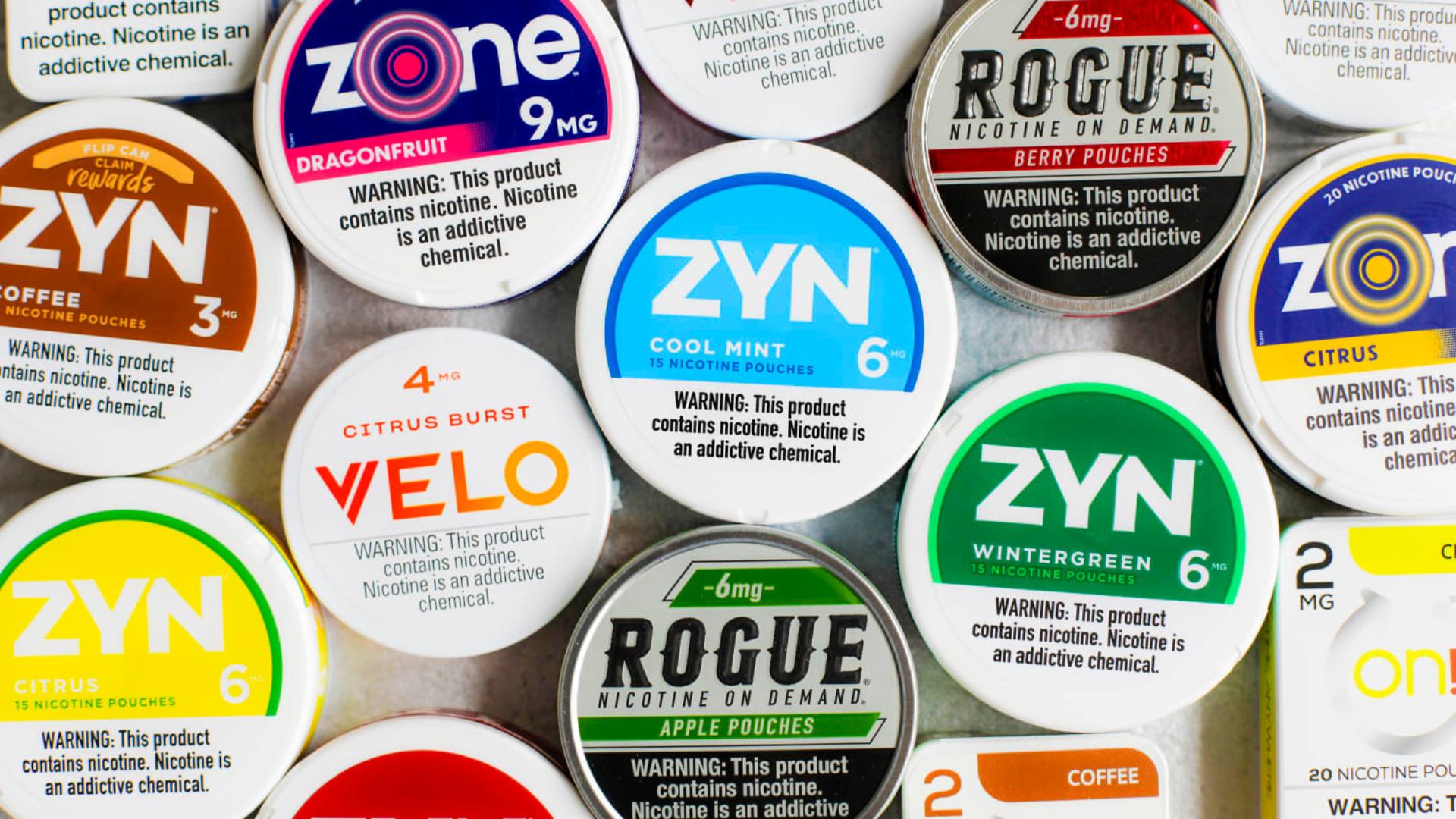
Following the leadership change, more good news followed. In its June issuance of modified risk granted orders for 20 ZYN nicotine pouch products, the agency stated, “FDA’s review of modified risk products is intended to ensure that adult users have clear, science-based information about the relative harms of tobacco products, so they can make informed choices.” Then, on August 21, Reuters reported that the FDA “authorized 11 [ZYN] nicotine pouch products recently launched by Philip Morris, citing lower levels of harmful constituents compared with other oral and smokeless tobacco products.”
Ultimately, tobacco policy in the U.S. and around the world highlights a growing tension between the failed status quo of prohibition and the promise of modern harm reduction approaches. While global health organizations face criticism for resisting reduced-risk products, recent shifts—such as the FDA’s landmark authorization of flavored vapes and nicotine pouches—signal a turning point toward embracing innovation. Transitioning from strict regulations and outright bans to evidence-based alternatives will reshape public health and save many millions of lives. It’s time for politicians and regulators to crack open the books, do their homework, and recognize the overwhelming evidence in favor of THR products.