
FDA’s Pilot Program Clears Path for Nicotine Pouches, Giving Smokers a Vital Lifeline
Christina Smith
August 17, 2026
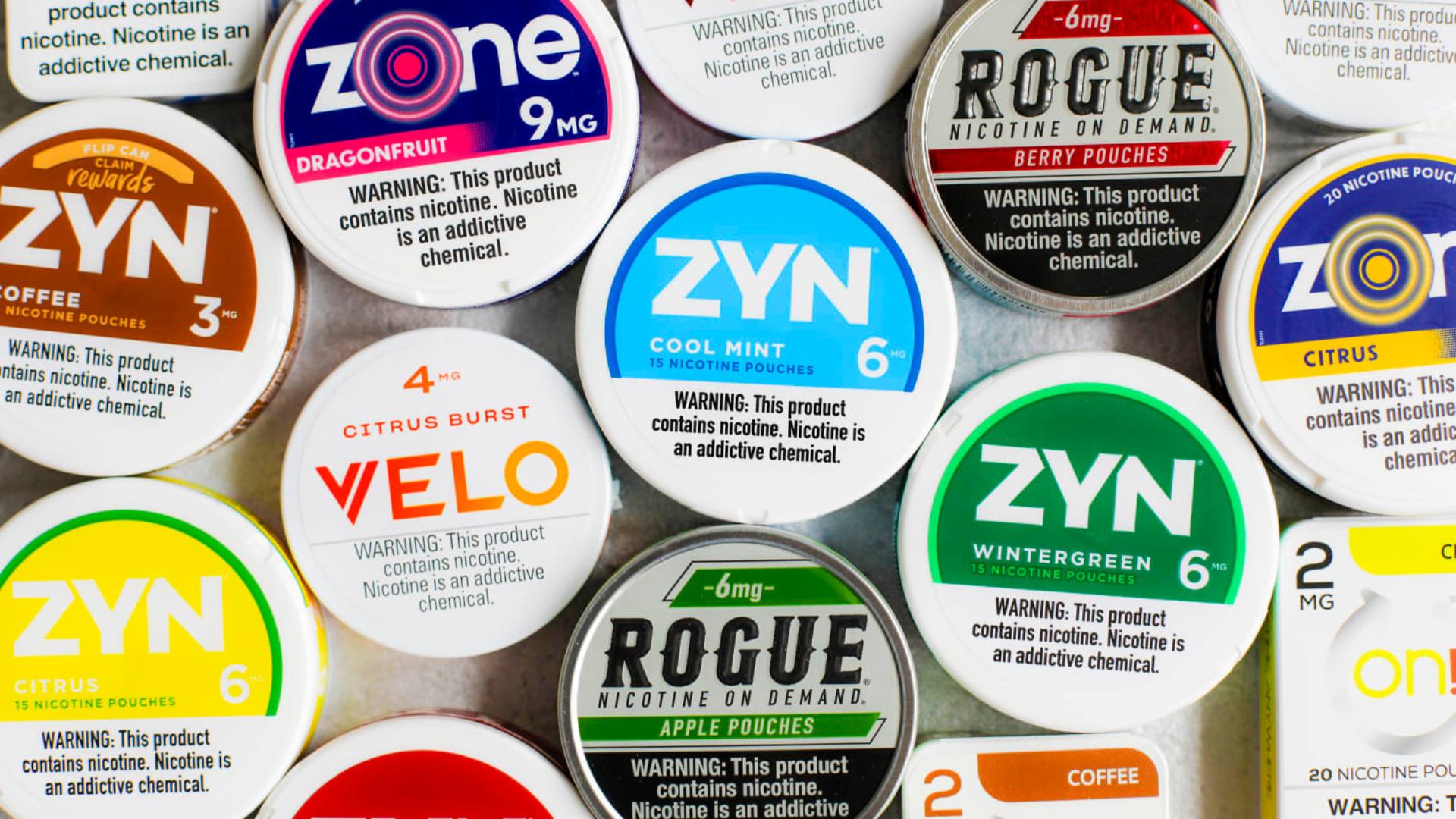
In a major win for public health and tobacco harm reduction (THR), the U.S. Food and Drug Administration (FDA) has officially authorized the marketing of four new smoke-free nicotine pouch products. Manufactured by Helix Innovations LLC under the “on!” brand, the cleared products include Rich Berry 2 mg, Autumn Spice 2 mg, and Cappuccino in 2 mg and 4 mg strengths. This decision expands access to lower-risk alternatives for adult consumers seeking to quit the deadly habit of smoking.
Set up in 2009 to provide a pathway to bring new products to market, the premarket tobacco product application (PMTA) process has completely failed smokers. The PMTA process has long rightly faced criticism due to the high costs and slow approval process. In fact, preparing a single application costs companies millions of dollars. The FDA has experienced massive backlogs in applications, which have led to years of delays for new and less harmful products to come to market.
The approvals for the “on!” products, which hopefully signal a new approach by the FDA, were evaluated and granted through the agency’s specialized nicotine pouch pilot program. Designed to increase bureaucratic efficiency and reduce red tape by speeding up the PMTA process, the pilot is a positive first step toward resolving application roadblocks and expediting scientific reviews for these products, and it should be applied to future applications and continued to be expanded and improved. Applying streamlined efficiencies learned from this pilot will further advance harm reduction goals and benefit consumers.
This approval follows the FDA’s June 30th decision to authorize the marketing of 20 ZYN pouches with a Modified Risk Tobacco Product (MRTP) claim, which recognizes the products as demonstrably less harmful than traditional cigarettes. Additionally, this authorization is a major win for evidence-based regulation and consumer freedom. By allowing manufacturers to clearly inform adults about how products can reduce risk, the FDA is taking a balanced, science-first approach that protects public health while letting individuals make their own choices.
The FDA has confirmed that THR products, including the newly approved oral nicotine products, contain drastically reduced levels of harmful and potentially harmful constituents (HPHCs) compared to combustible cigarettes, with many toxic compounds too low to be quantified. According to the FDA, for adults aged 21 and older who currently smoke or use traditional smokeless tobacco, completely transitioning to these authorized pouches offers a critical pathway to drastically lower the risk for consumers.
Public health advocates are finally acknowledging that bringing THR products to market is a vital step toward helping adult smokers quit, thereby avoiding the serious downstream health risks linked to smoking traditional cigarettes. With these latest additions, as of August 2026, the FDA has explicitly authorized 45 electronic nicotine delivery systems (e-cigarettes/vapes) and 30 nicotine pouch products through the PMTAs. This is a positive step, but there is more to be done. The FDA must continue to acknowledge that science-backed harm-reduction strategies prioritize adult smokers’ welfare.
Globally, countries that embrace harm reduction have seen remarkable public health benefits. For example, Sweden has the lowest smoking rates in Europe, thanks largely to the widespread use of snus, a smokeless tobacco product similar in principle to on! and ZYN nicotine pouches. By providing smokers with a less harmful alternative, Sweden has drastically reduced rates of smoking-related illnesses. The FDA’s decision to authorize more nicotine pouches brings the U.S. closer to adopting this successful model and is a promising step toward a more pragmatic, science-based approach to tobacco control. It acknowledges that harm reduction is a cornerstone of effective public health policy and recognizes the need to balance risks and benefits in a way that prioritizes adult smokers seeking alternatives.
While prohibitionists and anti-harm-reduction activists continue to push for counterproductive bans and punitive restrictions that only empower illicit markets and put consumers at risk, the FDA must shift its focus to ongoing authorizations. To build on this progress, regulators and legislators must continue removing bureaucratic barriers, reject misguided flavor bans and restrictions, and commit to an efficient, transparent approval process that prioritizes science over ideology.