
The Digital Revolution Is Already on Your Wrist
Loewen Toews
June 16, 2026
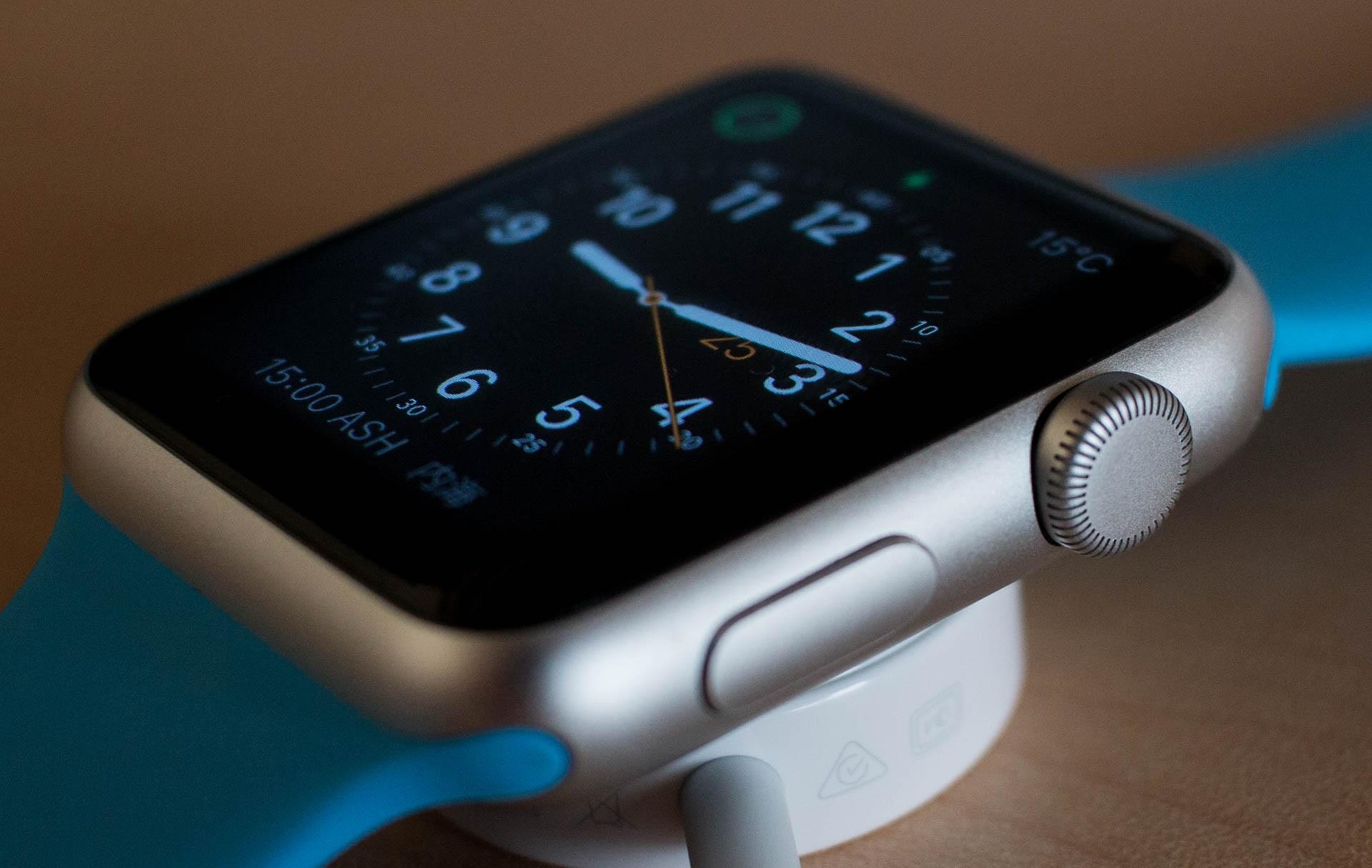
Since the Industrial Revolution transformed the 1700s and 1800s, people have wondered what the next great upheaval would be. Some imagined flying cars; others pictured food pills replacing meals. What actually arrived was the Digital Revolution—computers, the internet, smartphones, and now artificial intelligence remaking how we work, communicate, and live, much as steam and steel once did. The latest chapter in that story is one we increasingly carry on our bodies: wearable devices. From fitness trackers to smartwatches to health-monitoring rings, wearables are bringing the digital revolution into the most personal space of all.
The Apple Watch, Whoop, Garmin, Oura Ring, and Google Fitbit have all become part of regular conversation. These technologies are relatively new but quickly gaining in popularity. A survey conducted by Rock Health’s 2025 Consumer Adoption of Digital Health Survey found that 46 percent of Americans owned smartwatches or smart rings in 2025, a significant increase from 13 percent a decade earlier. Most Americans who own wearables report using them frequently, and 59 percent of Americans surveyed said they “always or nearly always” have their wearables on.
Often, these wearables are used to track sleep, heart rate, blood oxygen levels, physical activity, stress levels, and more. The data collected improve health monitoring and, by extension, healthcare itself. While only a small percentage of Americans report receiving their wearables from a healthcare provider, employer, or insurer, many voluntarily share their data with their physicians during medical visits, which can contribute to better overall health outcomes. A study highlighted by The Washington Post found that wearable devices such as Fitbits were able to identify postoperative complications in children recovering from appendectomies by analyzing activity levels and heart rate patterns. Researchers also found that the technology could predict complications before they were formally diagnosed.
However, this raises the question of what role the government should play regarding these devices. The Food and Drug Administration (FDA) is the agency responsible for regulating medical devices, and some wearable devices fall under its authority. To answer this question, in January, the FDA issued new guidance documents clarifying how it interprets existing laws regarding wearable devices. These documents stated that low-risk wellness devices, such as fitness trackers, sleep monitors, activity trackers, and other wearables that encourage healthy lifestyles, can generally operate without FDA oversight as long as they do not claim to diagnose, treat, cure, mitigate, or prevent a disease.
This distinction is essential. Requiring every wellness-oriented wearable to navigate the same regulatory pathway as a traditional medical device would impose substantial costs and delays on companies and slow innovation. For startups and smaller companies, lengthy approval processes can be especially expensive. Such requirements could ultimately reduce competition, limit consumer choice, and prevent new technologies from coming to market.
The personalized health revolution is already underway. Regulators’ aim should not be to slow it but rather to ensure that innovation can continue delivering benefits to consumers while maintaining appropriate safeguards where they matter most. Just as past technological revolutions transformed society, the personalized health revolution has the potential to improve millions of lives, provided that regulators adopt a light-touch approach that will not stifle innovation.