
Regulators Must Allow Railroad Merger to Go Through
Ross Marchand
September 17, 2026
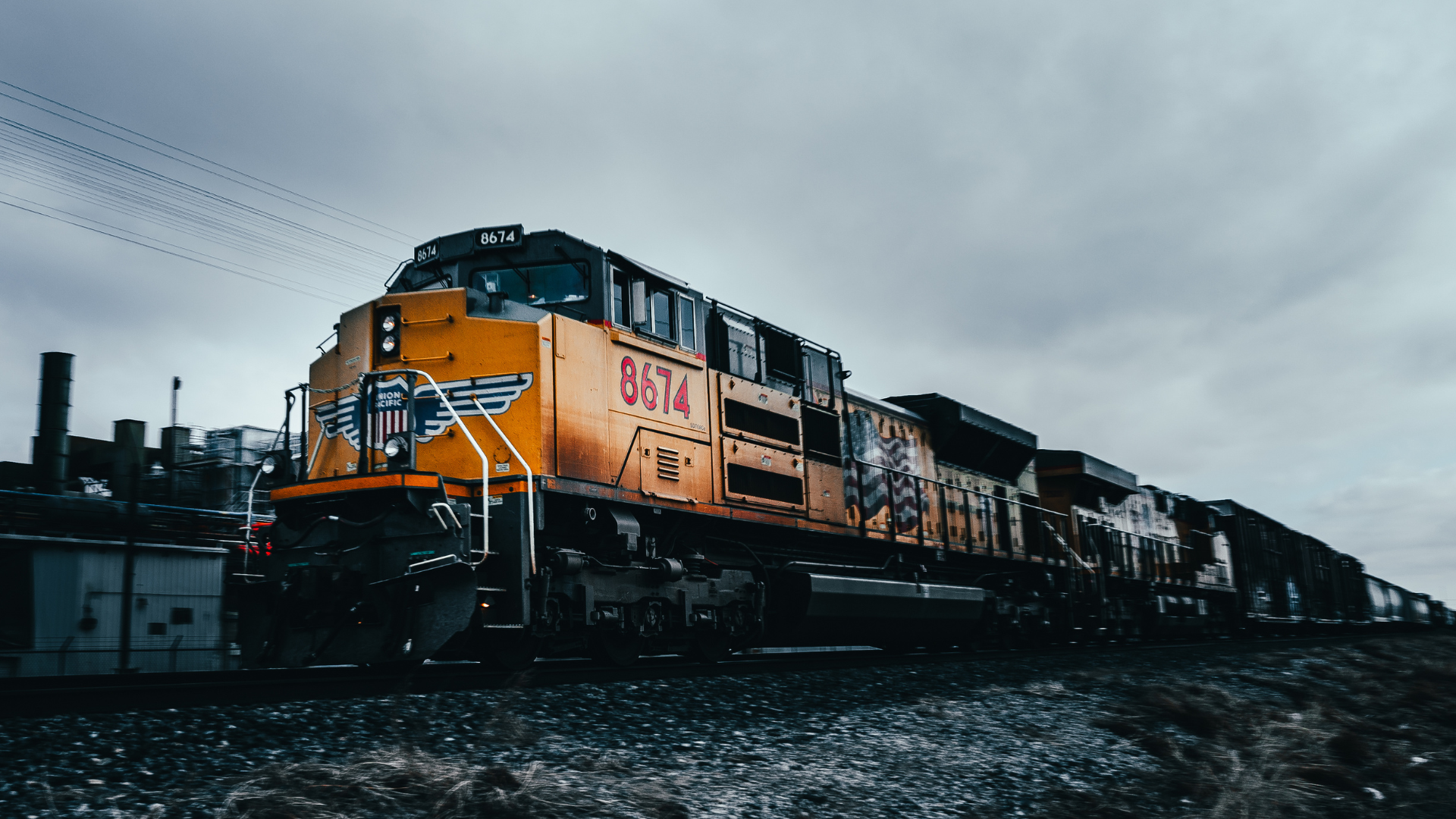
From Disney and Pixar to Google and Android to JPMorgan Chase and Bear Stearns, mergers have unlocked a combined trillions of dollars in economic value and saved stagnant industries from collapsing—and bringing millions of jobs with them. And, as seen with the Spirit-JetBlue debacle, blocking mergers can have disastrous effects. The proposed $85 billion merger between Union Pacific Corporation and Norfolk Southern Corporation (UP-NS), which aims to create the first single-line transcontinental railroad linking the U.S. Atlantic and Pacific coasts, would be another victory for consumers, workers, and taxpayers.
Yet, not everyone is eager to see this deal go through. As Transport Topics reporter Casey Quinlan recently noted, the merger “is drawing growing opposition from state officials, shippers and labor unions as federal regulators begin reviewing the deal.” Attorneys general from Florida, Iowa, Kansas, Montana, North Dakota, South Dakota, and Tennessee recently urged the Surface Transportation Board to reject the merger, stating, “Safe, efficient, cost-effective shipping is essential for the agriculture, mining, forestry and manufacturing sectors, among many others.”
Trade associations have echoed these concerns, largely without evidence. But an association’s public position rarely reflects the views of every member; most trade groups represent a broad membership with different business models, geographies, and customer bases. The truth is that the merger would bolster “safe, efficient, cost-effective shipping” while securing lower prices for millions of Americans and bolstering the tax base—alleged “industry opposition” aside.
In the realm of freight transportation, competition extends far beyond the number of freight carriers operating in each market. It’s easy to forget the fact that, for many shippers, the primary alternative to rail is trucking, not another railroad.
Since 2006, when railroads moved a record number of trailers and shipping containers, trucking has taken on roughly 67 percent of total domestic freight volume. Trucking has become a dominant option for freight shippers, and giving this mode a transportation a run for its money would mean more competition and lower costs. Broadening transport options creates vital market leverage for shippers, forcing carriers to offer more competitive rates, improve reliability, innovate service offerings, and ensure bolstered safety. Ultimately, diversifying domestic freight transport lowers operating overhead for businesses—which translates into lower prices for everyday consumers at the checkout counter.
Opponents of the proposed merger—who certainly do not reflect industry-wide anonymity—continue to view the freight market solely in terms of rail. But the case against the merger is simply lacking. The Union Pacific and Norfolk Southern railroads have barely any geographic overlap, serving different parts of the country; their networks meet in the middle, around the Mississippi River. Contrary to the claims of some trade associations, the combination of the two railroads would not eliminate a direct rail competitor for most shippers.
To the contrary, a single end-to-end rail route could improve the industry’s ability to compete with trucking by reducing shipping times and costs and offering shippers one railroad to deal with––from pickup to delivery.
Due to the existing divisions between railroads, cross-country shippers must navigate the complexity of multiple rail lines’ systems, which comes with inconveniences of interchanges––freight having to be shifted from one network to another. These interchanges often lead to days-long delays while crews switch and paperwork is being filed. When, on any given day, roughly 25 percent of rail traffic is headed to, from, or through Chicago, the delays from interchanges are felt nationwide.
While (to avoid interchange-related bottlenecks) shippers increasingly opt to pay more for door-to-door service by truck, this shift toward trucking has raised supply chain costs that ultimately trickle down to consumers. And, unlike freight rail, trucking is much more dependent on taxpayer-financed infrastructure.
The UP–NS merger would create the nation’s first coast-to-coast freight railroad, strengthening rail’s competitive position within the broader freight transportation marketplace. Their integration would eliminate the costly delays and inefficiencies of interchanges, immediately improving transit times by 24-48 hours and saving shippers $3.5 billion each year, which would be passed along to consumers.
Policymakers should approve this commonsense deal and lower costs and increase shipping reliability across the country. The trade associations and politicians warning of anti-competitive risks have a fundamentally misguided view of a competitive industry that could be far more competitive with this deal. The truth is that countless shippers, workers, and consumers stand to benefit from a stronger and more competitive rail network. The UP-NS merger would overwhelmingly benefit Americans—if regulators allow it to happen.