
How Intellectual Property Drives Medical Innovation
Christina Smith
September 17, 2026
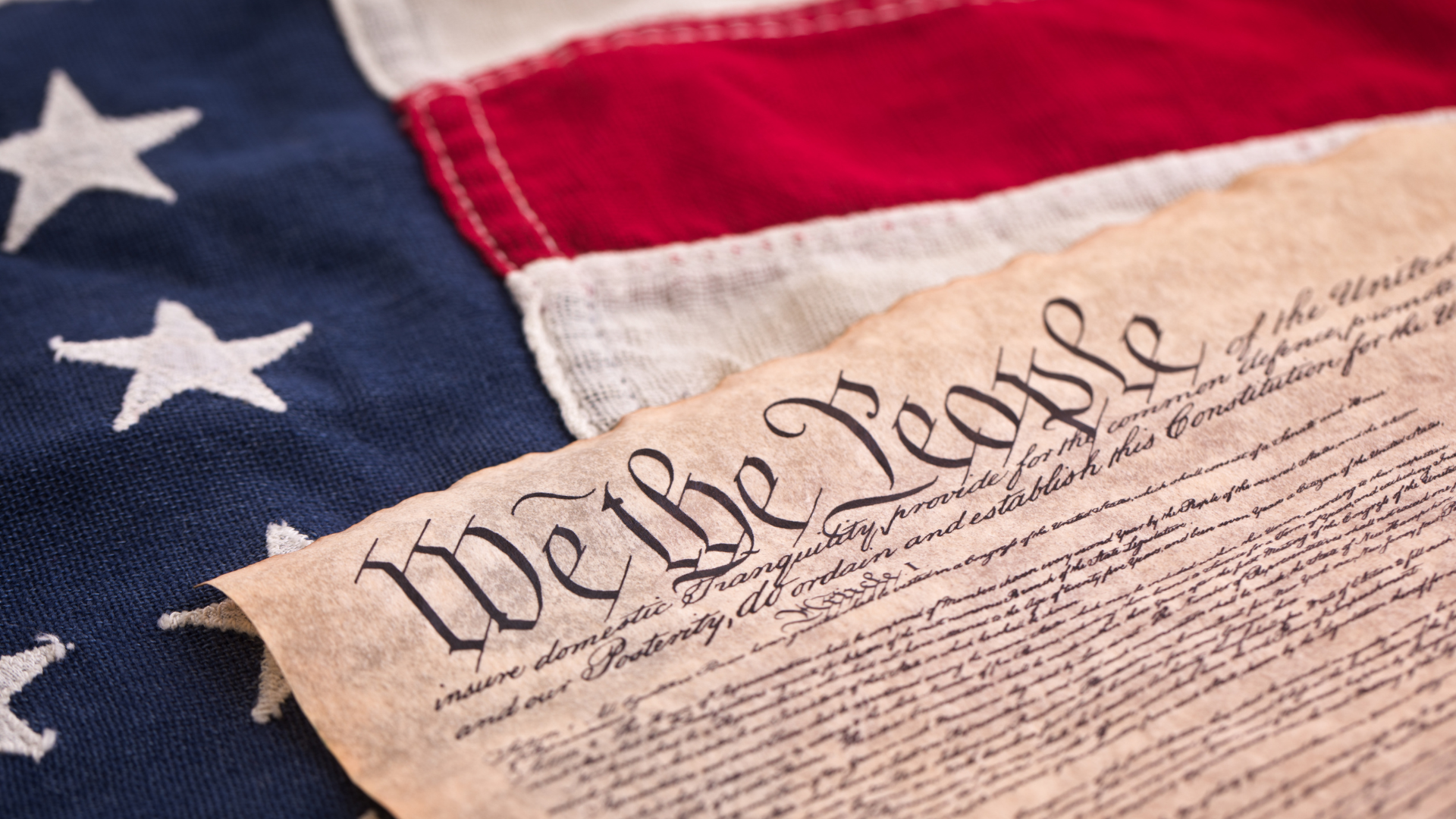
Two hundred and thirty-nine years ago today, the United States Constitution was signed, and thus the American experiment began in earnest. What started as a group of ragtag rebels seeking to redress their grievances against the Crown became a great and prosperous country that lets innovators capitalize on their ideas and keep (most) of the fruits of their labor.
The Constitution not only protects physical property from search, seizure, and expropriation, but also intellectual property (IP). Article I, Section 8, Clause 8 of the Constitution states, “[The Congress shall have Power] To promote the Progress of Science and useful Arts, by securing for limited Times to Authors and Inventors the exclusive Right to their respective Writings and Discoveries.” In other words, if someone takes the time and effort to pen the next great American novel, figure out the cure to a devastating disease, or wage war against rodents, they should be able to capitalize on their feat—at least for a time. However, IP does not only benefit the party who first thought up the innovative concept. When 19th century inventor Elias E. Reis reported researching Elihu Thomson’s 1886 patent for a new method of electric welding, “there immediately opened up to my mind a field of new applications to which I saw I could apply my system of producing heat in large quantities.”
IP rights are especially critical in the healthcare sector and have proven indispensable in the development of safe and effective medicines and medical devices. The patent system is essential to medical innovation, providing pharmaceutical manufacturers the confidence to undertake massive risks to develop new lifesaving treatments. As healthcare policy and IP expert Dr. Raquel Sorza notes, “Without doubt, a robust patent system is essential to create an environment that favours investment in pharmaceutical innovation by providing a secure base for high-risk investments and rewarding creative efforts that improve the quality of life … [The] patent system and [IP rights] not only encourage research in companies, but also in universities and other actors in society, contributing to higher innovation and global competitiveness.”
Unfortunately, America’s patent system is under constant threat and attack. Under the flawed framework developed by the 2011 America Invents Act, the Patent Trial and Appeal Board (PTAB) allows patent challengers an easy avenue to challenge, or petition, patents already held by innovators. In the resulting Inter Parties Review (IPR) process, the patent challenger and patent holder make their respective cases before a panel of PTAB administrative law judges (ALJs). These ALJs decide on claim validity based on limited discovery, briefing, testimony, and oral arguments. As noted by former chief judge of the Federal Circuit Randall Rader, these ALJ panels are “patent death squad[s]” because roughly 4 in 5 IPR proceedings result in at least one claim being held unpatentable.
One especially concerning aspect of the IPR process is the ability of patent challengers to file “serial” petitions as part of a multi-prong challenge against IP right-holders. A recently proposed U.S. Patent and Trademark Office rule addresses this by stipulating, “the Office will not institute an IPR when a petitioner intends to pursue invalidity challenges under §§ 102 or 103 in other venues, such as district court or the U.S. International Trade Commission.” Proposed changes “would further require the Petitioner to file the stipulation in any other venue where it is litigating with the patent owner.” The agency has an unfortunate history of ignoring the issue of duplicative challenges, and this rulemaking laudably attempts to solve the issue.
The strong protection of IP rights has led to the manufacturing and distribution of lifesaving cures and vaccines, including COVID-19 vaccines. Securing IP ensures that patients continue to receive new treatment options and that biopharmaceutical companies continue to develop tomorrow’s cures. Safeguarding this constitutional right is key to continued medical innovation and continued U.S. leadership in drug development. America’s Founding Fathers recognized the value of intellectual property and were sure to include it in the Constitution. Two hundred and thirty-nine years later, policymakers must continue to safeguard IP rights.